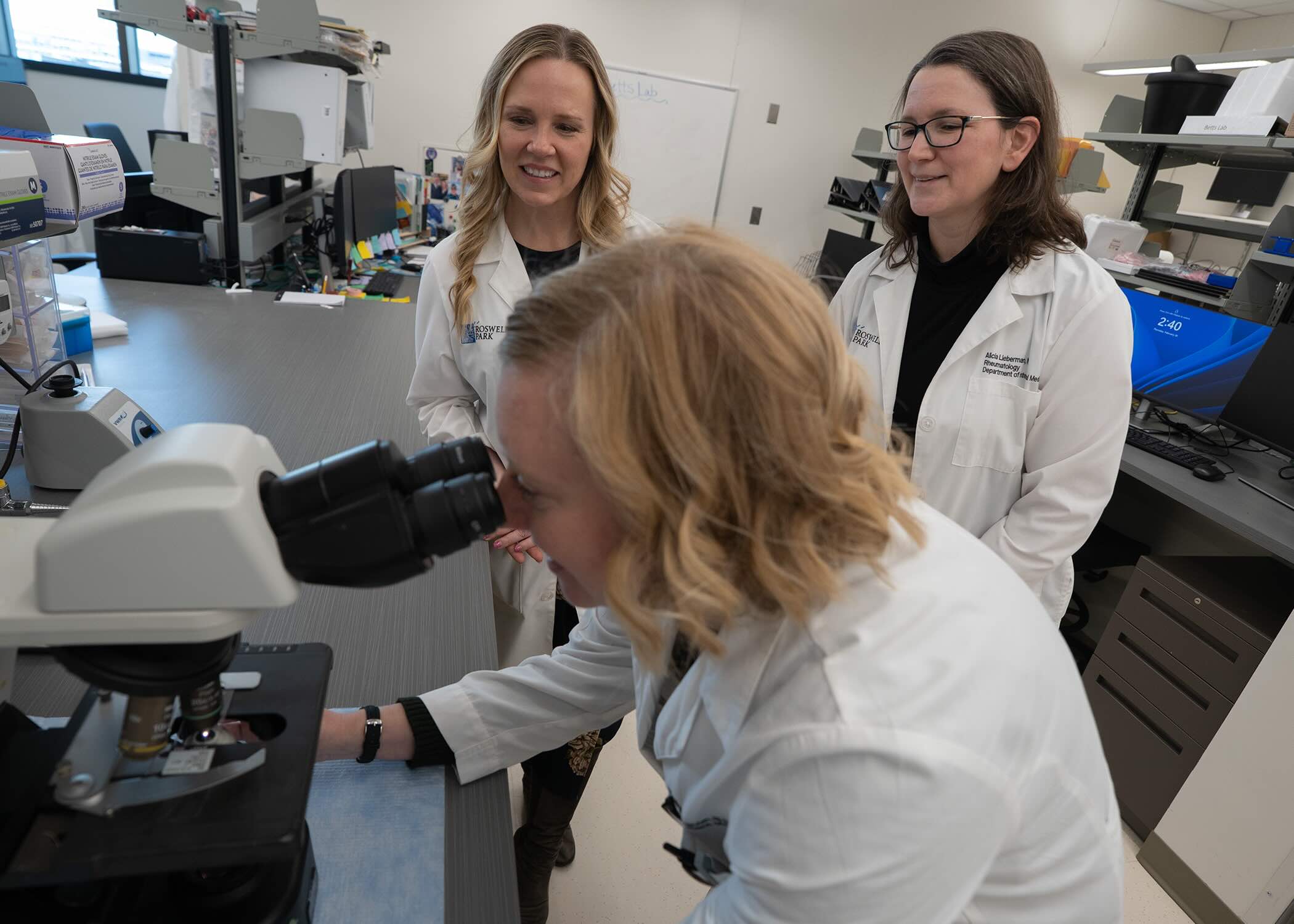
Physician scientists are pioneering an ambitious effort to adapt a revolutionary cancer treatment to potentially cure common autoimmune diseases, aiming to replace lifelong medications with a single, transformative therapy.
The research, led by specialists at a comprehensive cancer center, focuses on repurposing CAR T-cell therapy. This treatment, which has shown remarkable success against certain blood cancers, involves extracting a patient's own T-cells, genetically engineering them to recognize specific harmful cells, and infusing them back into the body. The team believes the same principle could apply to conditions like lupus, multiple sclerosis, and rheumatoid arthritis. In these diseases, overactive B cells drive the body's mistaken self-attack. Since these harmful B cells express similar markers to some cancer cells, the re-engineered CAR T-cells could be programmed to hunt and eliminate them, offering what researchers call an "immune reset."
The long-term goal is a one-time treatment leading to durable, drug-free remission. "The hope is that people don't need medications for the rest of their lives and could potentially be cured," said one of the lead physicians. The team is investigating both established cellular therapies like stem cell transplants and newer CAR T-cell approaches available through clinical trials. Early signals from this work suggest the possibility of not just halting disease progression, but reversing some of the damage, particularly in neurological conditions where repair was once thought impossible.
This research is now moving into patient trials, with studies underway for systemic lupus and lupus nephritis, and plans to expand into rheumatoid arthritis and other conditions. The work represents a paradigm shift in autoimmune treatment, moving from chronic management toward a definitive cure. For the nearly one in ten Americans living with these conditions, the approach offers a hopeful outlook for a future free from daily medications and their side effects.