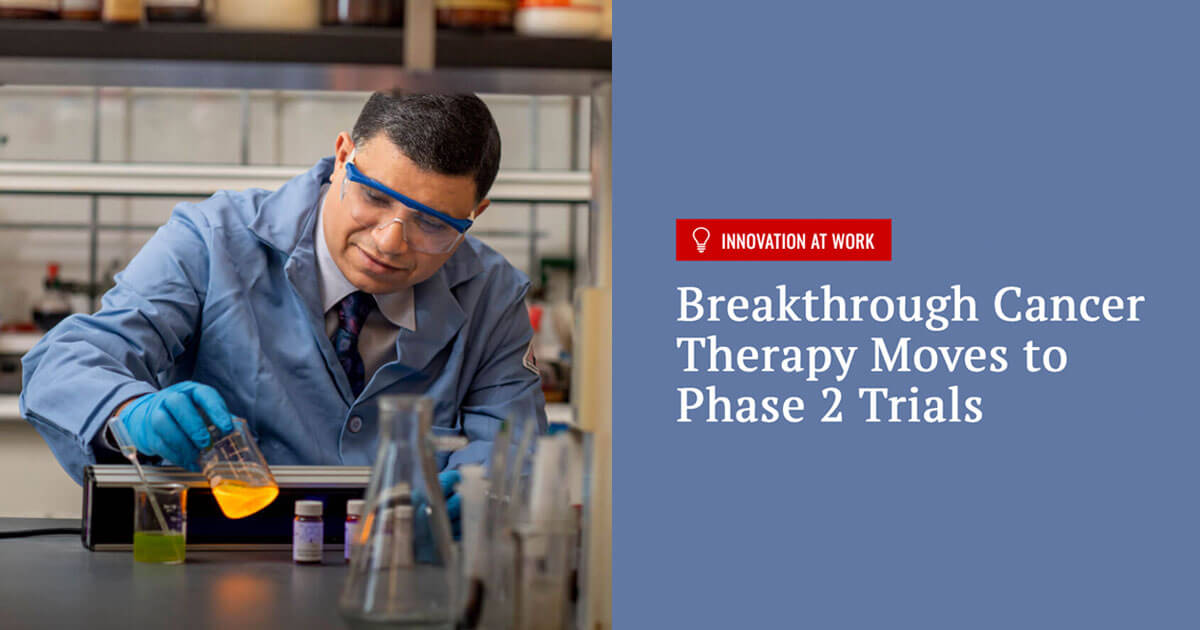
A promising new cancer treatment has entered Phase 2 clinical trials, marking a significant milestone in its journey from the lab to patients. This innovative therapy is designed to seek out and destroy tumors with remarkable precision, offering a beacon of hope for those in need of better options. By targeting cancer cells directly, it aims to make treatment more effective and gentler on the body.
The technology is built around a special fluorescent dye that acts as a homing beacon. This dye detects and binds tightly to cancer cells. It then serves a dual purpose. First, it makes tumors light up during imaging, helping surgeons see them clearly. More importantly, it acts as a delivery vehicle, carrying cancer-fighting compounds directly to the diseased cells. This targeted approach means healthy tissue is largely spared, which could lead to fewer side effects and a more powerful attack on the cancer itself.
For its next critical test, the therapy is turning its focus to one of oncology's greatest challenges, pancreatic cancer. The CEO of the biotech company developing the treatment, Yu-Ping Cheng, explained the urgent need. Current therapies often fall short in extending remission and preserving quality of life for late-stage patients. This investigational drug, with its highly selective uptake into cancer cells and minimal toxicity to healthy tissue, represents a new approach where others have struggled. The goal is bold and clear, to offer renewed hope to those who have run out of alternatives.
This breakthrough is the result of 14 years of relentless research and collaboration. The chemist behind the core technology, Maged Henary, expressed the driving force behind the work. Knowing this therapy could help someone live longer or feel even a little better during a difficult time is what fuels the team. He shared his greatest hope, that this treatment brings new possibilities to cancer care and helps save patients' lives. Having shown potential in targeting various solid tumors, the team is now optimistic as the therapy progresses into dedicated trials for pancreatic cancer.
The move into Phase 2 trials is more than just a procedural step. It is a testament to the potential of a new treatment platform that elegantly bridges the gap between detecting cancer and treating it with a single molecule. As this therapy advances, it carries with it the optimism of researchers and the hopes of patients. It stands as a powerful example of how scientific perseverance and innovative thinking are coming together to create a brighter, more targeted future in the fight against cancer.