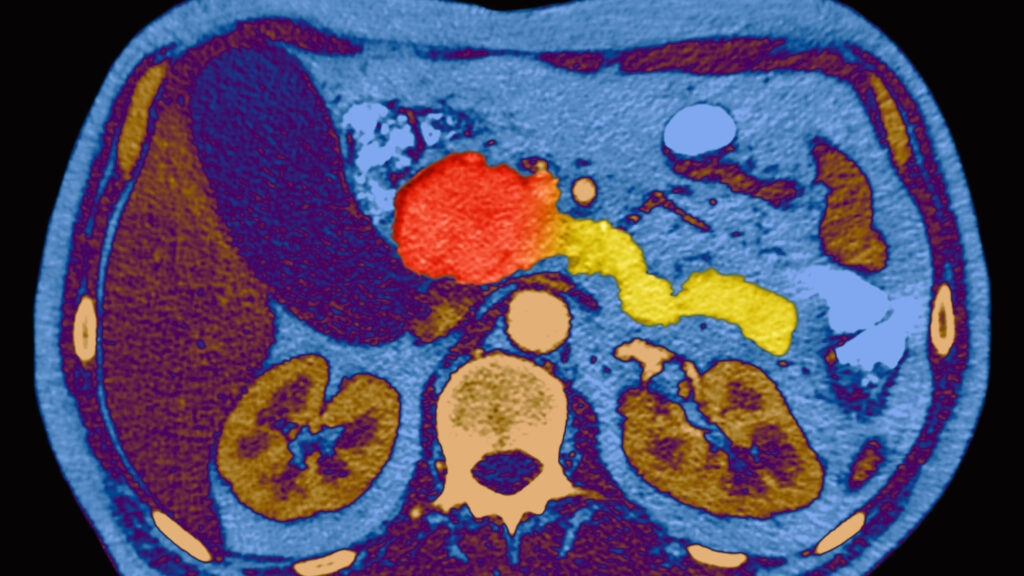
Pancreatic cancer treatment has reached a turning point. For the first time in decades, a new drug has shown such promising results in clinical trials that researchers are calling it a milestone moment, comparing its potential impact to the arrival of the first checkpoint inhibitors for other cancers. The excitement was palpable at a recent international conference in London, where scientists hastily added a special panel to discuss the breakthrough.
The drug at the center of the buzz targets a specific genetic mutation common in pancreatic tumors. In a late-stage trial, the therapy significantly improved survival rates for patients whose cancers had not responded to standard chemotherapy. While exact figures remain under review, oncologists described the results as a “game changer” for a disease that has historically been one of the deadliest and hardest to treat. The new medicine works by blocking a key protein that allows pancreatic cancer cells to grow unchecked, effectively starving the tumors of a signal they need to survive.
“It’s one of those moments,” said Talia Golan, an oncologist at Israel’s Sheba Medical Center, speaking on the hastily organized panel in London. She compared the drug’s performance to the arrival of the first checkpoint inhibitors, which revolutionized the treatment of melanoma and lung cancer. For patients with pancreatic cancer, which often goes undetected until advanced stages, this represents a rare and powerful new option. The trial focused on patients with a specific biomarker, meaning the drug is not a universal cure but a targeted therapy for those most likely to benefit.
Experts are cautiously optimistic but also mindful of the challenges ahead. The drug must still receive regulatory approval, and researchers are working to understand why it works so well in some patients but not others. Plans are already underway for larger trials to expand its use to earlier stages of the disease and to combine it with other treatments. Manufacturing and accessibility will also be key concerns, as targeted therapies can be expensive and complex to produce.
Despite these hurdles, the mood among scientists and patient advocates is hopeful. After years of incremental progress, the field finally has a breakthrough that could change the standard of care. “We are braced for what comes next,” one researcher noted, “but for the first time, what comes next looks brighter than what came before.” For the thousands of patients diagnosed each year with pancreatic cancer, that hope is a powerful medicine in itself.