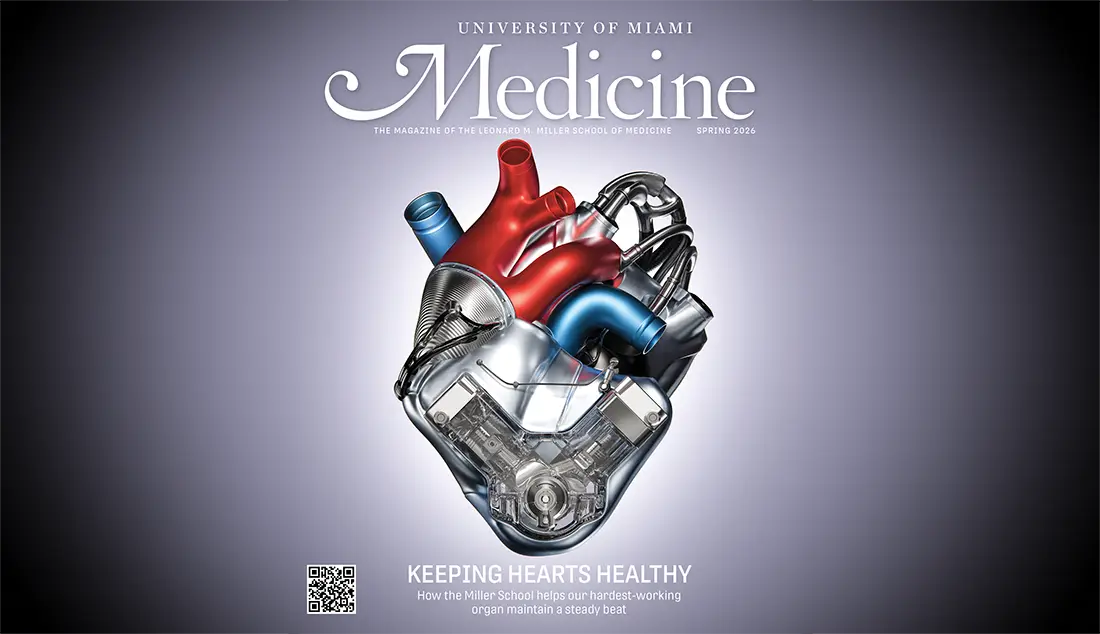
Researchers are reimagining the future of cardiovascular care with advanced imaging and artificial intelligence, while a first-of-its-kind eye implant in Florida offers new hope for patients with a rare vision disorder. These are among the most promising developments featured in the latest medical research roundup, which also highlights unexpected discoveries from the ocean floor that could reshape cancer treatment.
At the forefront is a renewed focus on heart disease, which continues to rise nationwide. Physicians are combining lifestyle interventions with cutting-edge technologies to transform how these conditions are diagnosed and prevented. Advanced imaging and artificial intelligence are playing a central role, allowing doctors to detect problems earlier and personalize care. The goal is to keep every heartbeat strong by moving beyond traditional approaches and into a new era of precision cardiology.
In a separate breakthrough, a genetically engineered implant has been successfully introduced in Florida for the first time. The device is designed to slow vision loss in patients with a rare eye disease, offering a lifeline to those who previously had few options. The implant is the result of decades of laboratory research and collaboration, and it represents a direct leap from scientific discovery into patients' lives. For individuals facing progressive blindness, this innovation brings a tangible sense of hope.
Alumni Leadership and Surprising Cancer Clues
The issue also celebrates pioneering alumni who are expanding the reach of medicine. One feature highlights Dr. Heather Woolery-Lloyd, whose work helped establish a specialized Skin of Color Division. Over two decades, the subspecialty has grown dramatically, and Dr. Woolery-Lloyd continues to champion more representative care for all communities. Another story honors a philanthropic gift that is investing in the next generation of surgical residents, underscoring how education and partnership shape the future of medicine.
Perhaps the most unexpected story comes from beneath the ocean. Researchers at a comprehensive cancer center and a marine science institute are teaming up to explore the sea as a powerful ally in the fight against cancer. By studying marine organisms, they are uncovering new clues about how to understand and treat some of the most complex diseases. The ocean, it turns out, may hold keys that laboratories alone cannot provide.
Looking ahead, these breakthroughs signal a hopeful shift in how medicine is practiced. From the heart to the eye to the deep sea, the message is clear: the next wave of treatments will come from unexpected places, and patients stand to benefit from a more connected, innovative approach to healing.