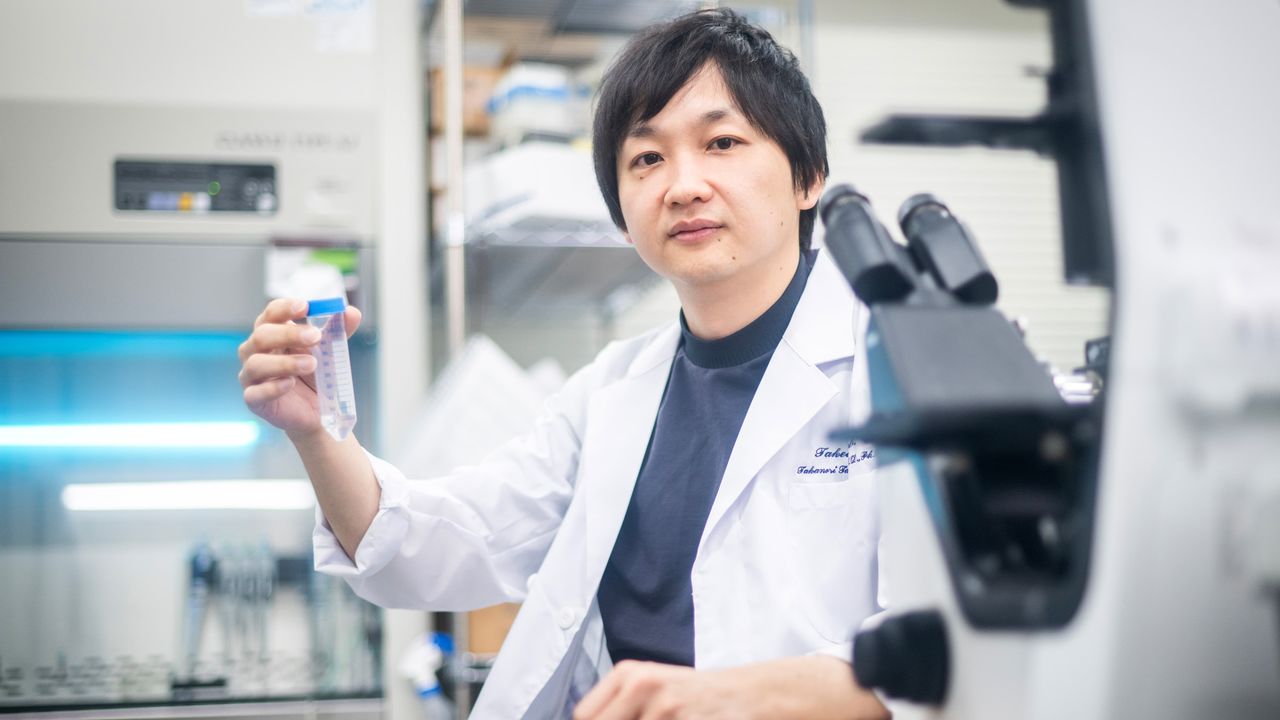
A groundbreaking approach to treating organ failure is moving closer to the clinic, as researchers in Japan develop miniature livers grown from stem cells that could one day reduce the nation’s reliance on scarce donor organs. With approximately 16,000 patients on transplant waiting lists and only 500 to 600 receiving organs each year, the need for alternatives has never been more urgent.
The work centers on iPS cell-derived organoids, tiny three-dimensional tissues sometimes called “mini-organs.” In 2013, researcher Takebe Takanori created the world’s first liver bud organoid from induced pluripotent stem cells. When these 4-millimeter buds were transplanted into mice with liver failure, they grew autonomously, developed blood vessel networks, and significantly improved survival rates. The achievement proved that lab-grown tissue could function inside a living body.
Takebe’s approach emphasizes complexity. Rather than isolating single cell types, his team combines multiple cell kinds to recreate the liver’s natural environment. In 2019, they produced a miniature multi-organoid system where the liver, bile duct, and pancreas formed together from human iPS cells. Then in 2025, they succeeded in making a liver organoid with a structure closely resembling a real human liver, including diverse cell types arranged in the correct spatial pattern. “The liver is not made from stem cells alone, nor does it exist independently in the body,” Takebe explains. “It functions within a connected system linked to the bile duct, pancreas, and intestine.”
Extracorporeal Device Could Bridge Critical Gap
The research is now advancing toward a practical device. Similar in concept to kidney dialysis, an extracorporeal circulation device would externally circulate the blood of patients with rapidly declining liver function. Inside the device, spherical capsules each contain about 1,000 tiny iPS-derived liver organoids. Hundreds of capsules pack into a cartridge through which blood passes, replacing some liver functions such as detoxification and metabolism. In rat experiments, the device improved survival rates.
Clinical trials could begin as early as the second half of 2027. While the liver governs hundreds of metabolic processes, early results show two important effects: the organoids can temporarily supplement liver function, and substances secreted by young liver tissue may help promote recovery and regeneration of the patient’s own damaged organ. For patients with acute liver failure, this technology could provide a bridge through the critical period until their native liver heals.