For patients with bladder cancer who do not respond to the standard therapy, a newly approved drug is changing the outlook. The Food and Drug Administration approved Inlexo last September, and early results show an 83% complete response rate, meaning the cancer disappeared entirely in most patients who received it.
The drug is designed for patients like Ray Page, a New York resident whose tumors kept returning after treatment with Bacillus Calmette-Guérin (BCG), the longtime gold standard for bladder cancer. BCG, a tuberculosis vaccine repurposed for cancer therapy in the 1970s, requires patients to hold it in the bladder before urinating. Page experienced severe side effects and saw no benefit. Facing the prospect of bladder removal surgery, he instead became the first patient in Western New York to receive Inlexo.
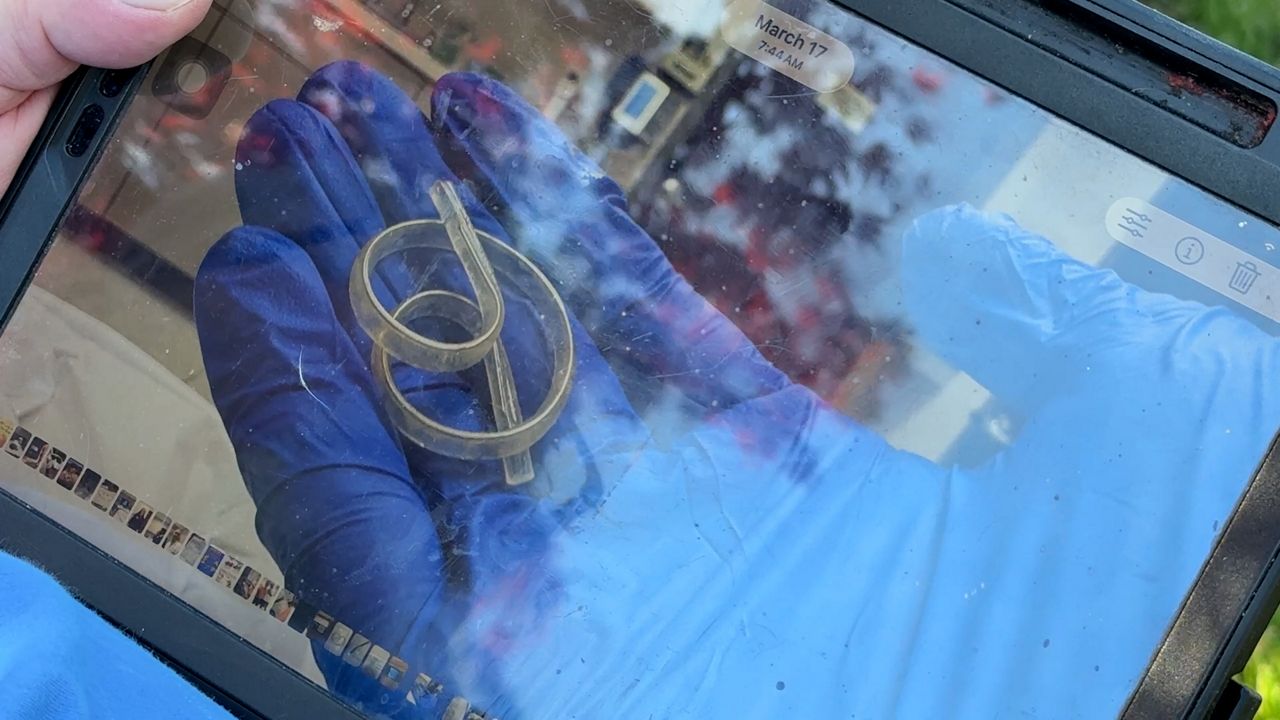
Unlike BCG, Inlexo is delivered through a small, pretzel-shaped device that is placed in the bladder and left there for three weeks, releasing the drug slowly over time. “It’s the best results that we’ve seen in this space of patients who have failed BCG and received Inlexo,” said Dr. Joseph Jacob, director of urologic oncology at Upstate Medical University. At his most recent checkup, Page was completely tumor-free. “I have more energy. I can go out and do things now that I never could do when I was on the BCG,” he said.
While Inlexo can cause side effects, mostly related to the urinary tract, Dr. Jacob noted that most patients consider that risk acceptable compared to losing their bladder. Johnson & Johnson, which manufactures the drug, offers patient assistance programs to help with or waive high copays. Page received the treatment at no cost through such a program.
Researchers say the approval marks a turning point in bladder cancer care, an area that has seen slower progress than other cancers. “Finally, people are hearing about it, talking about it,” Dr. Jacob said. “More importantly, the amount of resources that are getting poured and all this new research that’s coming out, we finally have more options to offer.” For Page, who plans to resume his carpentry projects with his sons, the drug has been life changing. “With BCG, I thought I was never going to get better,” he said. “And right now, it’s going great.”