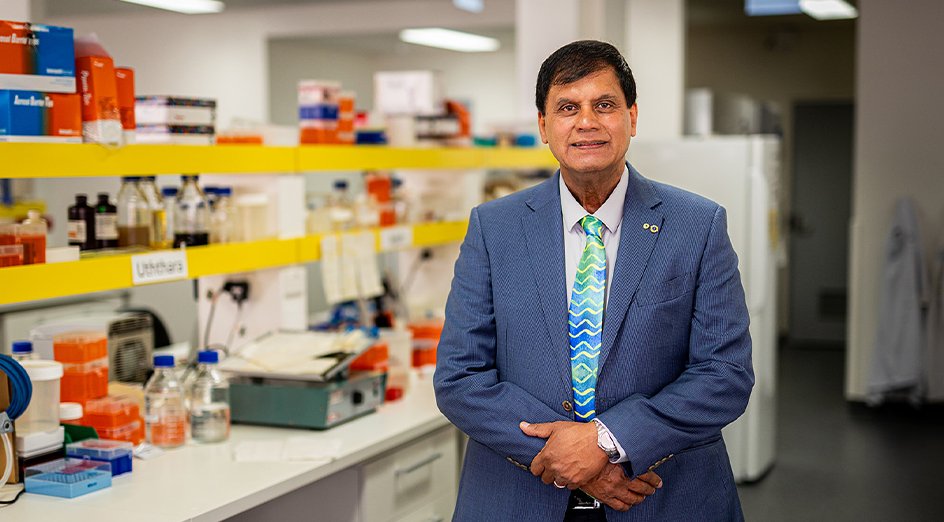
A major new research initiative is bringing renewed hope to the fight against Alzheimer's disease, fueled by a landmark $6 million partnership. This collaborative effort has established the inaugural Chair of Alzheimer’s Research at a leading university, a position that has been filled by the globally recognized Professor Ralph Martins. For over four decades, Professor Martins has been a pioneering force in the field, and this endowed chair aims to channel his expertise into transformative change. The ultimate goal is to directly improve the lives of those affected by this devastating condition, which remains the most common form of dementia and a leading cause of death in Australia, by accelerating progress in prevention, treatment, and care.
The appointment is celebrated as a significant leap forward in addressing one of modern medicine's most serious challenges. University leadership expressed immense enthusiasm for Professor Martins' vision, which aligns perfectly with a mission to drive innovation and community impact through medical research. His distinguished career has been marked by groundbreaking contributions that have reshaped the global understanding of Alzheimer's causes and potential interventions. With this new role, he is poised to strengthen the institution's position at the forefront of dementia research, education, and clinical practice, creating a powerful hub for discovery.
Much of the optimism surrounding this appointment stems from Professor Martins' practical and patient-focused breakthroughs, particularly in the critical area of early detection. He and his team have been at the forefront of developing non-invasive and cost-effective diagnostic tools for pre-clinical Alzheimer's disease. One of the most promising advancements is the identification of Alzheimer's-related blood-based proteins. This discovery opens the door to a simple, low-cost blood test that could one day allow for intervention long before significant symptoms appear, a change that would revolutionize patient care and outcomes.
Looking ahead, Professor Martins will play a pivotal role in mentoring the next generation of scientists and expanding collaborative networks across the globe. His leadership is expected to advance comprehensive strategies that tackle the disease from every angle. By fostering excellence and collaboration, this initiative promises to accelerate the journey from laboratory insights to real-world solutions. For families facing Alzheimer's, this represents a beacon of progress, a concerted effort turning decades of foundational research into tangible hope for a future with better prevention, earlier detection, and more effective treatments.