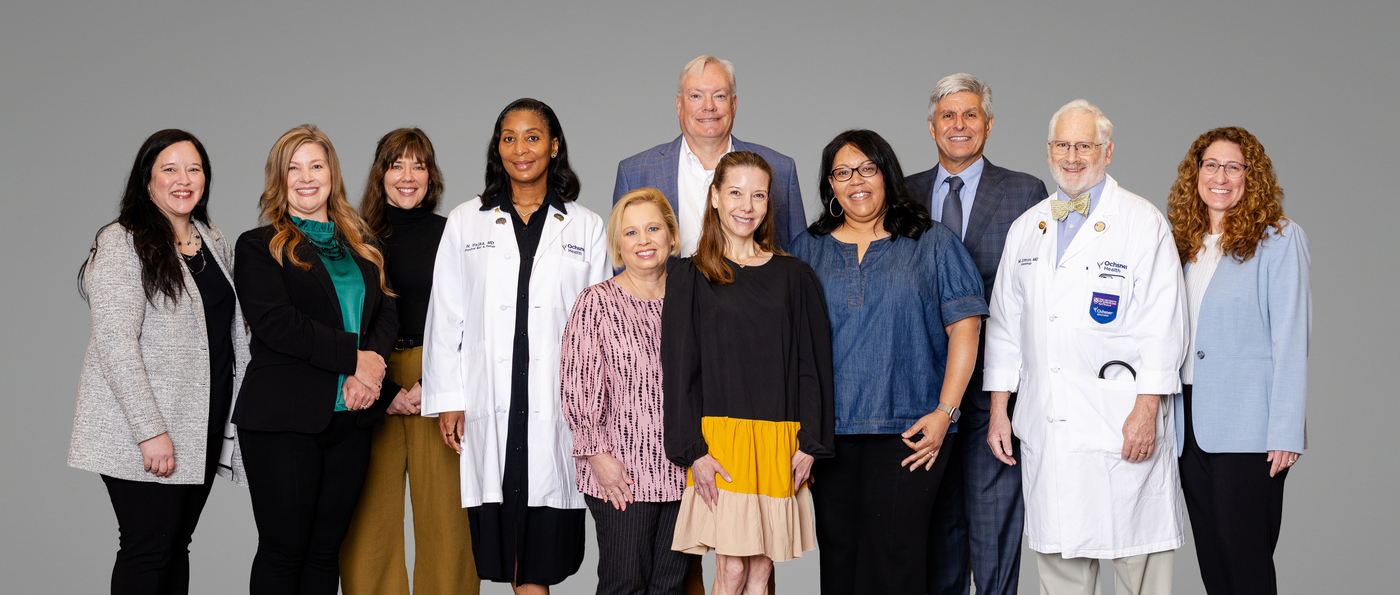
A major Gulf South health system has announced a surge in clinical research activity, with 450 active clinical trials currently enrolling 8,700 participants as of April. The milestone was revealed during the 23rd Annual Research Week at Ochsner Health, where scientists and physicians presented findings spanning cancer, precision medicine, and population health.
The research portfolio includes 181 oncology trials, some offered in partnership with MD Anderson Cancer Center across eight locations in south Louisiana. Researchers highlighted advances in understanding how colorectal tumors evolve over time, using serial tissue and blood tests to guide treatment. Other presentations focused on antibody-drug conjugates for gynecologic cancers, which combine targeted delivery with potent anticancer agents to expand options for ovarian, endometrial, and cervical cancer patients.
Precision medicine emerged as a central theme, with investigators describing how next-generation sequencing is helping clinicians identify genetic changes in tumors and match patients to targeted therapies. The health system also recognized researchers advancing tobacco and nicotine science through the Alton Ochsner Award Relating Smoking and Disease, honoring Dr. Robin Mermelstein and Dr. Li-Shiun Chin for their work in prevention and long-term community health.
Building a Culture of Discovery
More than 150 research abstracts were submitted this year, with the top 20 selected for podium talks and 96 presented during poster sessions. Mentor awards were given to three physicians for guiding the next generation of researchers. Leaders emphasized that clinical trials are now available across the Gulf South, allowing patients to access promising therapies without traveling far from home.
“Our clinical trials ensure patients have access to promising care options close to home, reflecting the needs of the people we serve,” said Dr. Nneka Ifejika, the system’s chief scientific officer. With 47 hospitals and more than 370 care centers serving over 1.6 million people annually, the health system plans to continue expanding its research footprint, offering early phase trials and innovative therapies that were previously unavailable in the region.