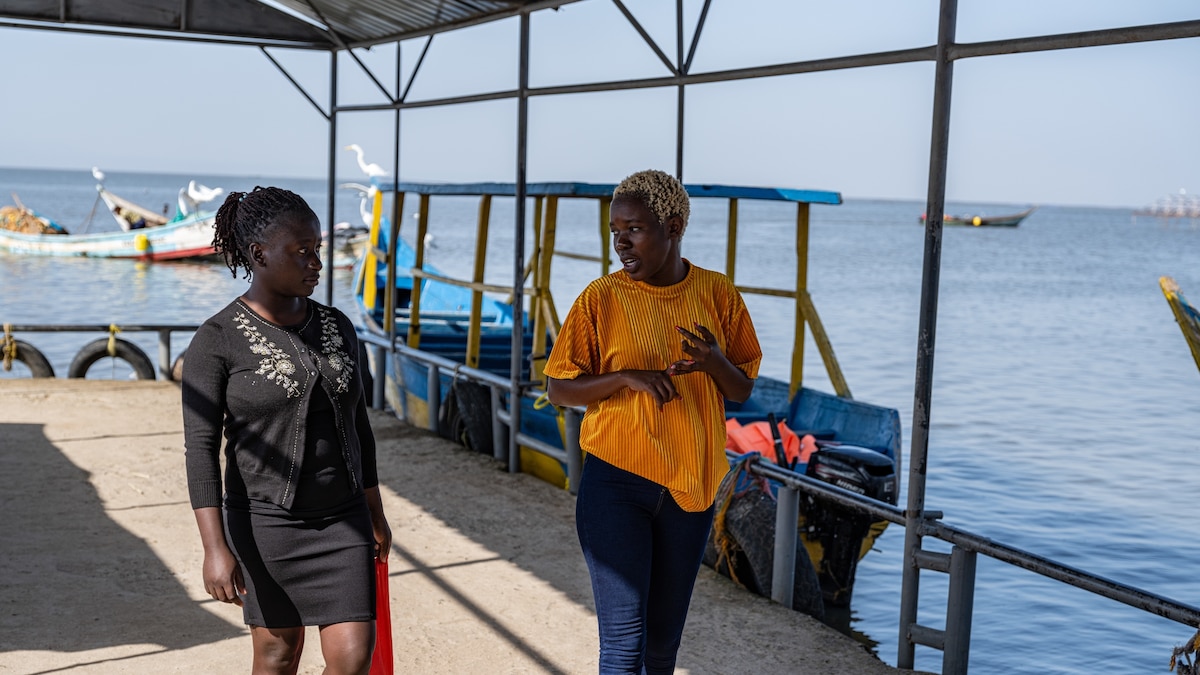
In Kisumu, Kenya, a new model of HIV prevention is taking shape, built not in laboratories but through conversations along the shores of Dunga Beach. As new infection rates among women remain disproportionately high, volunteer advocates are bridging the gap between medical innovation and the communities that need it most, helping to normalize prevention tools like PrEP in everyday life.
Kenya has cut its overall HIV incidence rate by more than 80% over the past decade, yet a stark gender divide persists. In 2024, more than half of all new HIV cases were women aged 15 and older, according to recent health data. Brenda Odera, a volunteer “PrEP champion” in Kisumu, spends about 40 hours a week talking to women about pre-exposure prophylaxis, the routine use of prescription medicine to prevent HIV before exposure. Her work is personal: she often walks women to the Lumumba Sub-County Hospital herself, ensuring they feel supported from the first conversation to their first dose.
Barriers to prevention are numerous. Stigma around visiting clinics, fear of pills being discovered at home, and financial dependence on partners all keep women from seeking care. Long-acting prevention options, such as injectables administered discreetly in a clinic, are helping address privacy concerns. Dr. Jared Olwal, who runs the PrEP clinic at Lumumba, says he initially saw almost no women under 25 coming in for prevention services. That changed once Odera began her outreach. “They walk away without anybody knowing what they have,” he notes, highlighting how new options allow women to protect their health without exposing their status.
Experts point to deeper systemic factors. Elizabeth Bukusi, Chief Research Officer at the Kenya Medical Research Institute, explains that women are biologically more susceptible to HIV and often face economic hurdles that make negotiating condom use difficult. For those living in shared rooms, taking daily medication in private is rarely possible. Florence Riako Anam, Co-Executive Director at the Global Network of People Living with HIV, adds that HIV was once wrongly framed as “a disease for bad women,” ignoring the structural reasons behind infections. “Listening to communities makes the whole system that brings prevention and treatment to people move faster,” she says.
From Clinical Innovation to Community Trust
The shift toward long-acting prevention is only part of the story. Health leaders emphasize that scientific breakthroughs require human connection to succeed. Daniel O'Day, Chairman and CEO of Gilead Sciences, which supports prevention efforts, says progress against HIV has always depended on collaboration among governments, health organizations, and local communities. “By listening to and working alongside those closest to the epidemic, we can help ensure that scientific breakthroughs reach the people who need them most,” he said.
For Odera, the future is clear. She envisions a community where PrEP is free of stigma and more women take charge of their health. “I really hope to continue doing what I'm doing and enlightening more and more girls, so that we have more champions like me in the future,” she says. With each conversation along the beach, that future moves closer, one woman at a time.