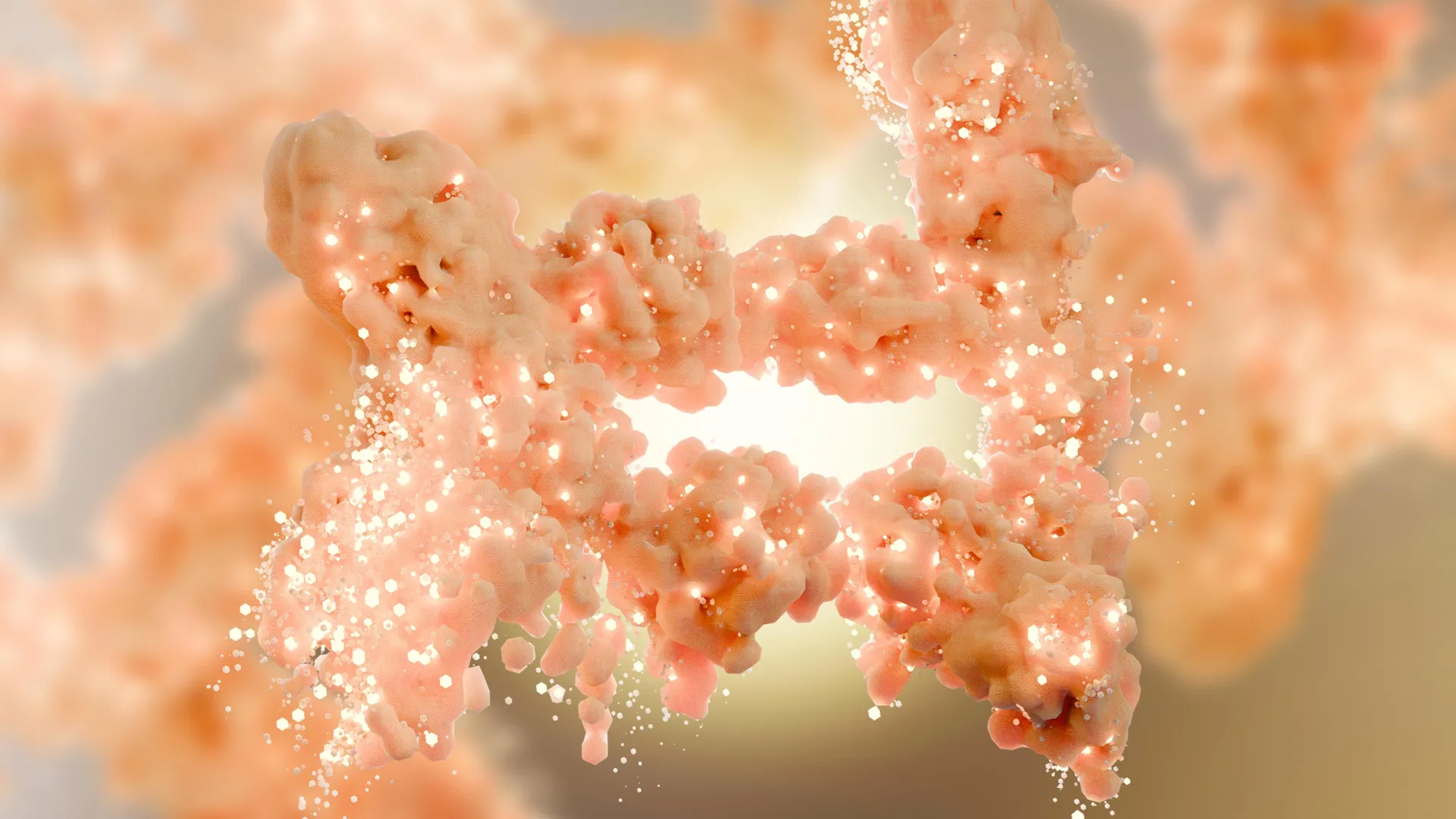
For decades, scientists believed they fully understood how a key fat burning protein worked. Now a discovery has overturned that assumption and opened new possibilities for treating obesity, diabetes and heart disease. Researchers found that the enzyme known as hormone-sensitive lipase (HSL) does not only break down fat on the surface of fat cells. It also operates deep inside the cell nucleus, where it helps keep fat tissue healthy.
The finding, published in Cell Metabolism, solves a puzzle that has confused obesity researchers for years. Scientists long assumed that removing HSL would cause fat to build up and lead to obesity. Instead, studies in both mice and people with HSL gene mutations showed the opposite. They developed lipodystrophy, a condition in which the body loses healthy fat tissue. Lipodystrophy and obesity produce many of the same complications, including insulin resistance, type 2 diabetes and fatty liver disease. This overlap suggested that the quality of fat cells matters as much as the quantity of fat.
Researchers at the University of Toulouse discovered that HSL behaves differently depending on where it is located inside the cell. On lipid droplets, it acts as an enzyme that releases stored fat during fasting or exercise. In the nucleus, however, it works like a regulator that helps maintain healthy adipose tissue. The team found that nuclear HSL interacts with proteins involved in gene expression and RNA processing, directly influencing how fat cells function at a genetic level. During fasting, adrenaline pushes HSL out of the nucleus to help mobilize fat stores. In obese mice fed a high fat diet, nuclear HSL levels increased. The protein's movement is controlled by signaling pathways involving TGF-β and SMAD3, molecules already linked to inflammation and metabolic disease.
The discovery helps explain why complete HSL deficiency causes lipodystrophy instead of obesity. Without HSL in the nucleus, fat cells may lose their ability to stay healthy and maintain proper tissue. Scientists are increasingly recognizing that fat tissue acts as a complex endocrine organ that communicates with the brain, liver, muscles and immune system. Dysfunctional fat tissue can disrupt the body far beyond weight gain alone.
Researchers hope that understanding how proteins like HSL regulate fat cell health could lead to more targeted therapies for metabolic disease. Instead of simply trying to eliminate fat, future treatments may focus on restoring the normal function of adipocytes and protecting the biological systems that keep fat tissue healthy in the first place. As obesity rates continue to rise worldwide, this new understanding of fat biology offers a promising path forward.