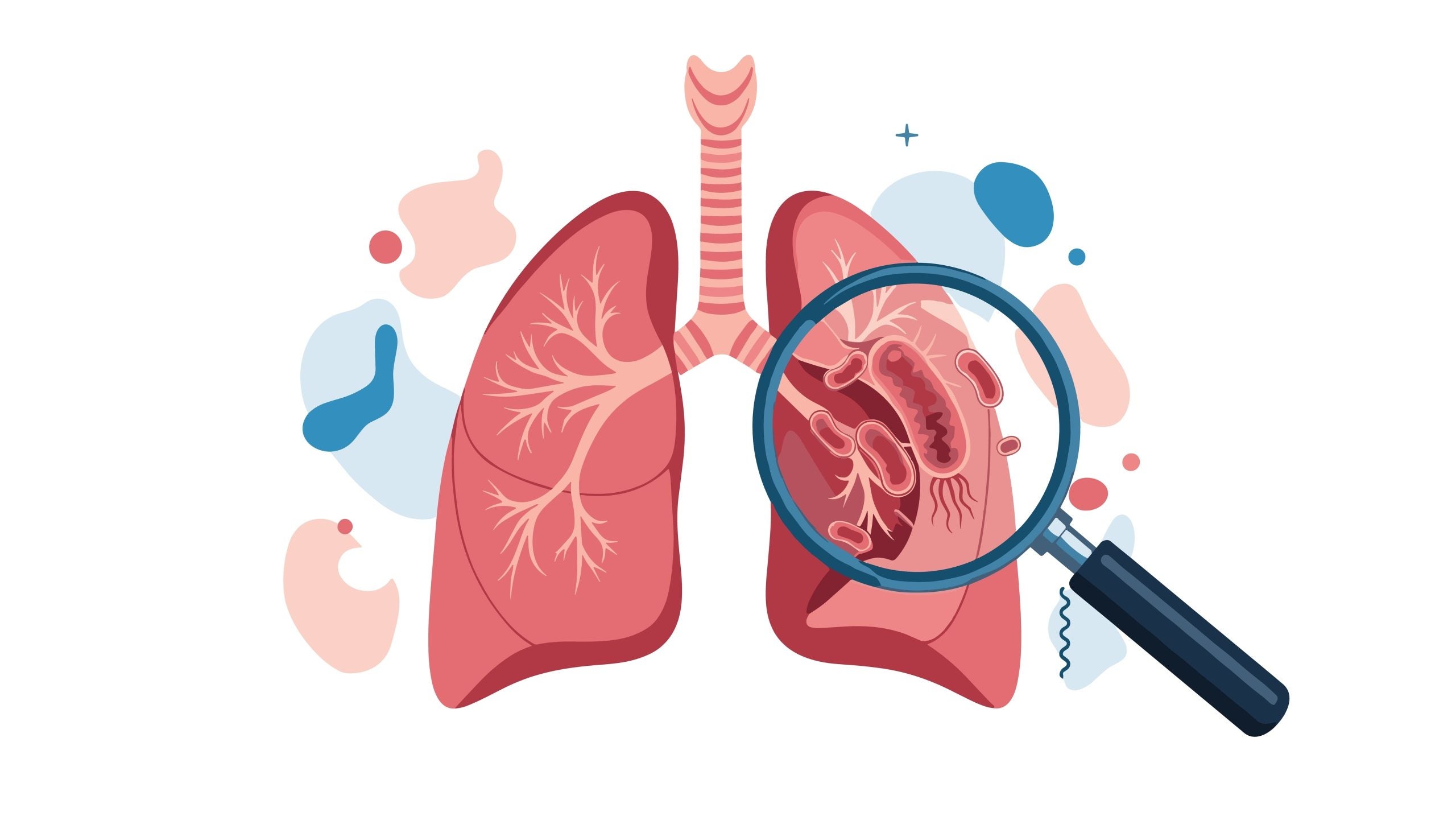
A new study has found that an inhaled antibiotic significantly improves symptoms and clears infection in patients newly diagnosed with a difficult-to-treat lung disease, paving the way for its use earlier in the treatment process.
The Phase IIIb ENCORE trial evaluated Arikayce (amikacin) in combination with standard oral antibiotics against a placebo plus the standard drugs in 425 patients with newly treated Mycobacterium avium complex (MAC) lung disease. The study met its primary goal, showing that patients receiving Arikayce had a significantly greater improvement in respiratory symptom scores after 13 months. Crucially, the therapy also led to a much higher rate of culture conversion, meaning patients tested negative for the bacteria. The conversion rate was 82.4% in the Arikayce group compared to 55.6% for those on placebo alone.
Arikayce is a unique inhaled therapy that uses liposomes to deliver the antibiotic amikacin directly into the lungs. This method is designed to target the bacteria more effectively at the site of infection compared to traditional oral antibiotics. The safety profile observed was consistent with prior studies, though treatment-emergent adverse events were notable. In the trial, 32% of patients on Arikayce experienced at least one severe adverse event, and 31% discontinued treatment due to these events, compared to 18% in the placebo arm.
Following these positive results, the drug's developer, Insmed, plans to seek regulatory approval in the United States and Japan to expand the drug's label for use in earlier lines of treatment. The company aims to submit applications in the second half of 2026. Arikayce first received a provisional U.S. approval in 2018, but currently only for patients who have failed at least six months of standard multidrug therapy.
If approved for earlier use, analysts project the therapy could become a blockbuster product, with sales forecasts reaching $1.3 billion by 2031. More importantly, it would offer a new, potent first-line option for patients, potentially improving long-term outcomes for those battling this chronic and debilitating lung infection.