A 15-year-old rugby player in South Africa has become the first patient in the country to successfully undergo a groundbreaking surgical procedure that saved his leg from a rare bone cancer. The technique, which uses liquid nitrogen to destroy cancer cells while preserving the patient's own bone, offers new hope for young athletes facing limb-threatening diagnoses.
The teenager was diagnosed with Ewing's sarcoma, an aggressive cancer that most often affects children and teenagers. When the tumour developed in his femur, conventional treatment options presented a difficult choice: either replace the cancerous section with a prosthesis or treat the removed bone with radiation before reimplanting it. Both approaches carry significant long-term limitations, particularly for a young person wishing to return to contact sports. Orthopaedic surgeon Dr Jaco Viljoen noted the patient's devastation at the prospect of never playing rugby again, which motivated the search for an alternative.
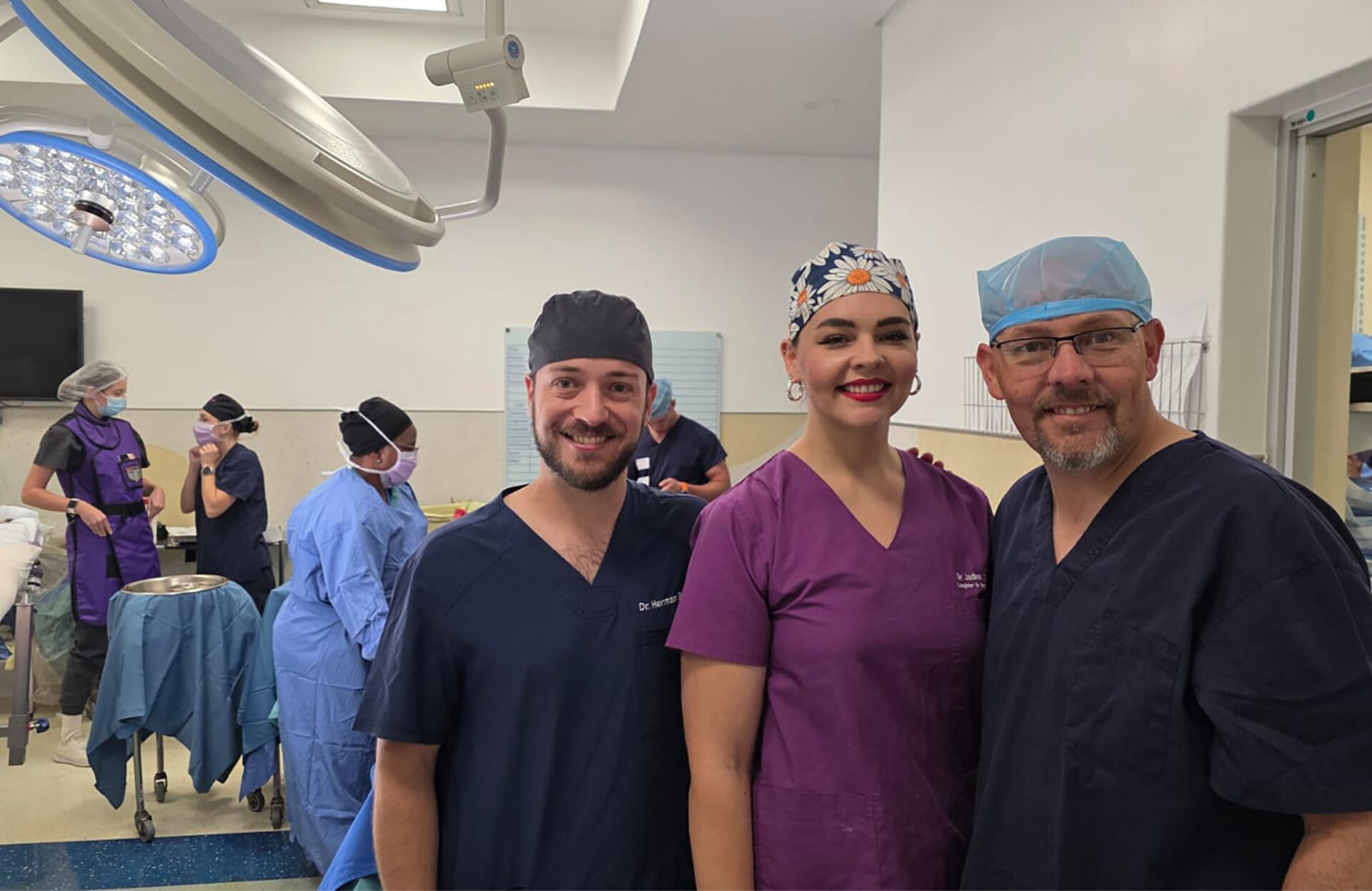
During a four-and-a-half-hour operation at Netcare Unitas Hospital, Dr Viljoen and his team removed a 24-centimetre section of the femur containing the tumour. Instead of discarding it, they immersed the bone in liquid nitrogen at -179°C, a technique pioneered in Japan. This extreme cold destroys the cancer cells while maintaining the bone's natural structure and biological properties. The treated bone was then reimplanted and secured in place. The success of this complex surgery marks a significant medical first for South Africa.
The benefits of this approach are profound. Because the patient's own bone is preserved and reinserted, it can regenerate and integrate with surrounding tissue, allowing the limb to continue growing normally. This is a critical advantage for adolescents. Just one day post-surgery, the teenager was alert, showed good nerve and blood vessel function in the leg, and took assisted steps with a physiotherapist. The procedure avoids the long-term mobility restrictions and potential for further surgeries associated with prosthetics or irradiated bone, fundamentally preserving the patient's quality of life and athletic future.
The surgical team views this case as a milestone that demonstrates world-class, innovative orthopaedic care is available within South Africa. It provides a powerful new option for other patients facing similar life-altering conditions, emphasizing treatment of the whole person rather than just the disease. While the teenager's recovery continues, the procedure has successfully turned the prospect of amputation into the very real possibility of him running back onto the rugby field in the future.