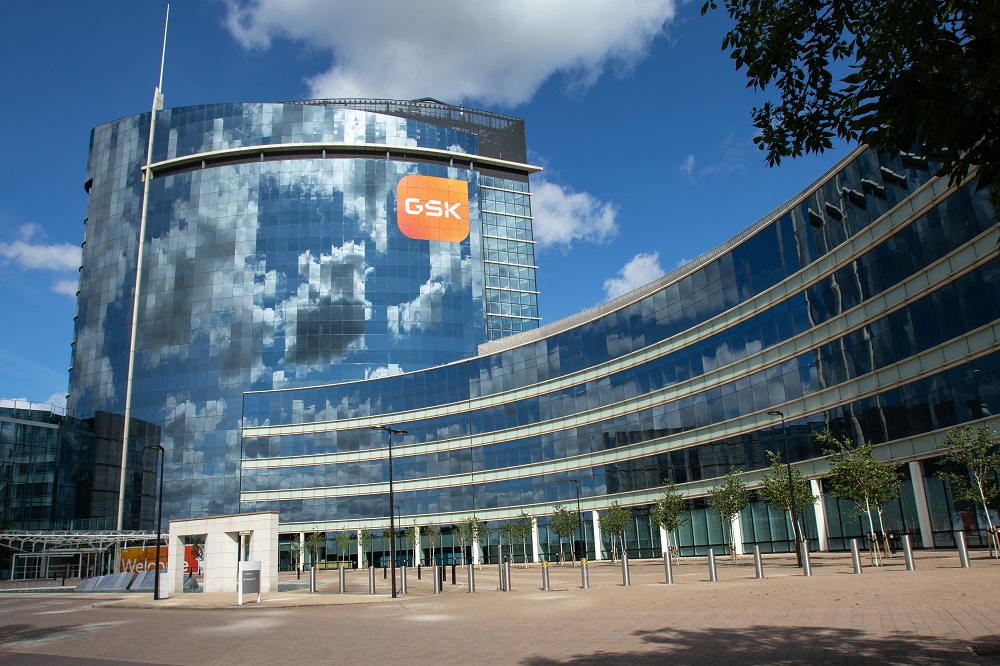
GSK is making a bold bet on lung cancer, announcing a $10.6 billion deal to acquire Nuvalent and its two late-stage targeted therapies. The acquisition signals a strategic shift for the pharmaceutical company, which has traditionally focused on gynecological and blood cancers but now aims to become a major player in non-small cell lung cancer (NSCLC). Both drugs are currently under review by the U.S. Food and Drug Administration, with decisions expected later this year.
The first drug, zidesamtinib, targets ROS1-positive NSCLC, a form of lung cancer driven by a specific genetic mutation. It is designed to overcome limitations of existing ROS1 inhibitors, including drug resistance and the spread of cancer to the brain. The FDA is expected to rule on zidesamtinib as a second-line treatment by September 18, with ongoing studies potentially supporting a first-line indication. The second drug, neladalkib, targets ALK-positive NSCLC, a more common subtype. It is designed to remain effective in tumors that have become resistant to earlier ALK inhibitors and to penetrate the brain to treat metastases. The FDA has set a November 27 target date for a decision on neladalkib.
A Broader Oncology Ambition
The Nuvalent acquisition is not GSK’s only move in lung cancer. The company also holds global rights to risuvatug-rezetecan, an antibody-drug conjugate from Hansoh Pharma that is currently in Phase 3 testing for extensive-stage small cell lung cancer. In addition, GSK recently acquired IDRx for $1 billion, adding a Phase 3 drug for gastrointestinal stromal tumors to its pipeline. These deals reflect a broader strategy to build a diversified oncology portfolio around proven biological targets with clear unmet medical needs.
GSK CEO Luke Miels said the Nuvalent drugs could be “potential best-in-class assets” that may launch this year if approved. The company’s oncology division currently generates about $2.63 billion in annual revenue, a figure that could grow significantly with the addition of these lung cancer therapies. GSK is paying $124 per share for Nuvalent, a 40 percent premium over the biotech’s recent stock price, with a net cash-adjusted outlay of approximately $9.4 billion.
If the FDA approves both drugs by their respective deadlines, GSK could enter the lung cancer market with two novel oral therapies by the end of 2025. For patients with ROS1- or ALK-driven NSCLC who have limited options after standard treatments fail, these drugs may offer new hope for durable responses and better quality of life.