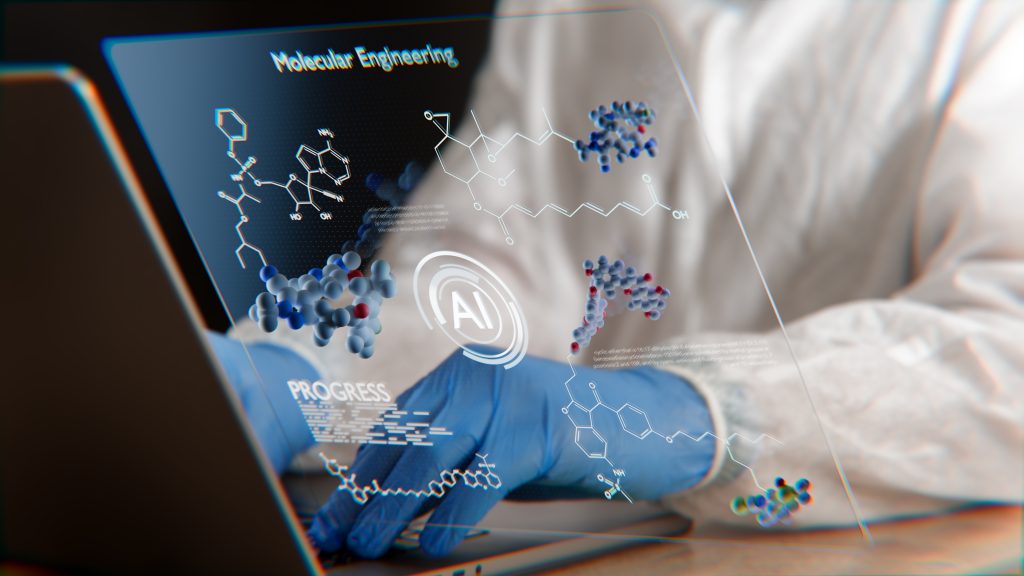
A new, no-cost artificial intelligence platform is now available to researchers worldwide, aiming to fast-track the discovery of new medicines for malaria, tuberculosis, and neglected tropical diseases. The initiative, called Drug Design for Global Health (dd4gh), provides cutting-edge computational tools typically reserved for well-funded pharmaceutical labs to scientists working in resource-limited settings.
The platform combines predictive and generative AI to analyze complex biological data and propose novel drug compounds for laboratory testing. A key feature is its use of active learning, which allows the system to continuously improve its predictions as researchers feed new experimental results back into it. The service is funded in part by the Bill & Melinda Gates Foundation and is a collaboration between the non-profit Medicines for Malaria Venture (MMV) and the AI company deepmirror.
Eligibility for the free license is granted to individual researchers, not institutions, who must be directly involved in compound design for relevant global health diseases and commit to non-commercial use. Approved users gain access to pre-trained models built on MMV's curated datasets and can also work with their own private data, which is not shared on the platform. "AI tools for drug discovery are known to researchers in resource-limited settings, but licensing costs can still put them out of reach," noted University of Cape Town PhD candidate Caroline Maina, highlighting the platform's potential impact.
The launch addresses a persistent funding gap in disease research that primarily affects low-income countries. According to WHO data, while investment for neglected disease R&D reached $4.17 billion in 2023, it remains nearly $650 million below its 2018 peak. Diseases like malaria, tuberculosis, and HIV/AIDS continue to receive the majority of this funding, leaving other neglected conditions under-resourced due to market failures that deter commercial pharmaceutical investment.
With the platform now live, researchers can apply directly through its website. The partners have already conducted workshops with scientists in Geneva and Accra to tailor the tool to community needs. By democratizing access to advanced AI, the project opens a hopeful new chapter in the global fight against diseases that disproportionately impact the world's most vulnerable populations.