The text message many Americans dread, the one announcing a friend or family member just tested positive for COVID-19, may soon carry less anxiety. The U.S. Food and Drug Administration has approved a new oral antiviral designed to stop the infection before symptoms begin, offering a fresh layer of protection for those exposed to the virus.
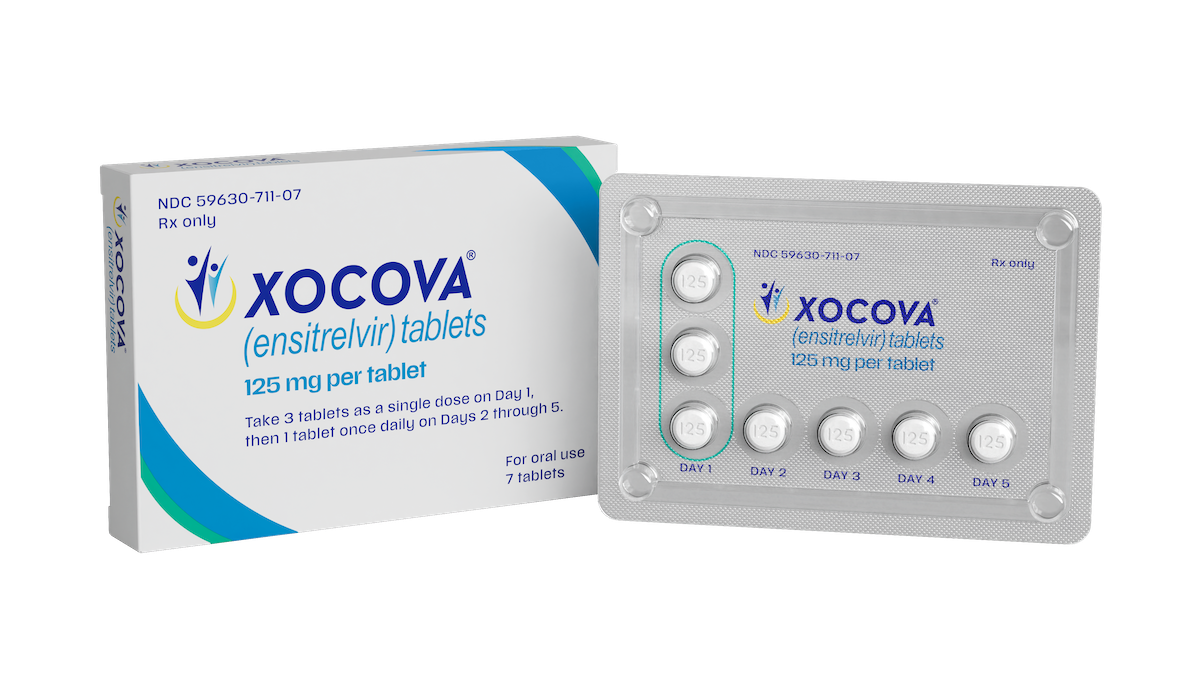
The drug, ensitrelvir, sold under the brand name Xocova, received FDA approval in late spring and became available for prescription in July. In a clinical trial of more than 2,000 people who lived with someone who had COVID-19, only 2.9 percent of those who took the five-day course developed symptomatic illness within 10 days, compared with 9 percent who took a placebo. That represents a 67 percent reduction in the relative likelihood of getting sick, according to the study published in the New England Journal of Medicine.
Xocova works by inhibiting an enzyme the coronavirus needs to replicate. “The idea is that early on, before the virus gets a chance to replicate to the level that your immune system can’t rein it in, this antiviral is going to work with your immune system to shut that down,” said Dr. Daniel Griffin, an infectious disease specialist at Columbia University. Patients begin the regimen within three days of exposure, taking three tablets on day one followed by one pill daily for four days. The drug functions similarly to Tamiflu for the flu, but unlike that medication, Xocova is not approved to treat COVID-19 once a person tests positive. Paxlovid remains the treatment option for active infections.
The trial included people who had been vaccinated, though not within the past six months. Researchers also observed a drop in asymptomatic cases: 14 percent of the treatment group tested positive regardless of symptoms, versus 21.5 percent in the placebo group. Doctors say the drug’s primary benefit is for high-risk individuals, including the elderly, immunocompromised patients, and those in nursing homes or healthcare settings where outbreaks can spread quickly. For generally healthy people, the advantage is less pronounced. “The benefit was not large enough to just give to everyone who comes into contact with someone with active COVID-19,” said Dr. Monica Gandhi, an infectious disease specialist at the University of California San Francisco.
Common side effects include headache, diarrhea, and cough. The drug should not be taken during pregnancy or breastfeeding, and it can interact dangerously with certain medications, including simvastatin for cholesterol, colchicine for gout, and carbamazepine for seizures. St. John’s Wort may also reduce its effectiveness.
Cost and Coverage Questions Remain
The drug’s current price tag of $1,400 means widespread use depends on insurance decisions. As of early August, Xocova had no Medicaid, Medicare, or commercial coverage, according to manufacturer Shionogi, which said it is working with health plans to secure broad coverage at the lowest possible out-of-pocket cost. Doctors suspect insurers may initially cover the drug only for high-risk patients or groups more likely to face hospitalization.
Researchers have sought a post-exposure prophylaxis since the pandemic began, though earlier candidates like hydroxychloroquine and ivermectin failed to show benefit. While Xocova arrives at a time when COVID-19 strains are less severe and transmission is lower, infectious disease specialists see it as a valuable tool for interrupting chains of transmission, especially among vulnerable populations. As coverage expands, the drug could become a standard option for households where one member tests positive, offering peace of mind alongside vaccines.