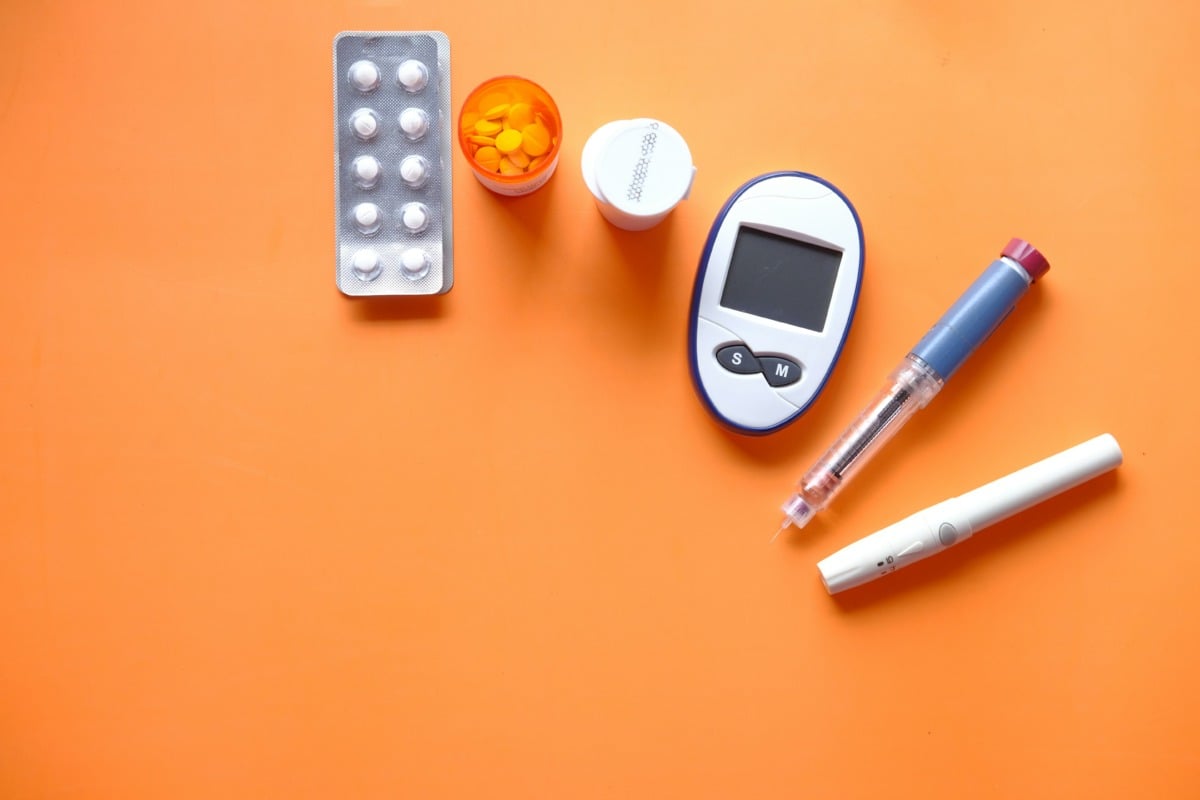
For the millions living with diabetes, a future defined by freedom from constant management and fear of complications is looking brighter. The scientific landscape, once focused solely on managing symptoms, is now alive with transformative approaches aiming not just to treat but to potentially cure this chronic condition. From smart technology that automates care to bold biological strategies that reprogram the immune system and regenerate insulin-producing cells, researchers are building a multi-front war against diabetes. Each breakthrough, whether a newly approved therapy or a stunning clinical case, adds another layer of hope, suggesting that the long-held dream of a cure is inching closer to reality.
The daily experience of managing diabetes is being revolutionized by technology that acts as an external guardian. Modern insulin pumps and continuous glucose monitors have evolved into sophisticated hybrid closed-loop systems, often called artificial pancreas devices. These systems seamlessly communicate, using algorithms to automatically adjust insulin delivery in response to real-time blood sugar levels. This automation grants patients more stable control and precious mental respite from relentless monitoring. Looking ahead, the horizon holds the promise of "smart" insulins, molecules designed to activate only when glucose rises, potentially eliminating the risk of dangerous lows and simplifying therapy into a single, intelligent injection.
Perhaps the most profound progress is targeting the root cause of type 1 diabetes: the misguided immune attack. The 2022 approval of teplizumab marked a historic shift, offering the first-ever treatment proven to delay the disease's onset in high-risk individuals. This milestone validated the concept of immune modulation. Now, a suite of investigative therapies builds on that success. Scientists are testing methods to retrain the immune system using specific beta-cell proteins, engineered protective cells, and even repurposed drugs from other autoimmune fields. These strategies aim to preserve a person's own insulin production, effectively putting the brakes on the disease process itself.
Parallel to protecting existing cells is the thrilling frontier of regenerating them. Stem cell therapy scored a landmark victory recently when a young woman in China achieved insulin independence after a transplant of islet-like cells derived from her own reprogrammed stem cells. This case highlights the potential for personalized cures without lifelong immunosuppression. Meanwhile, other companies are advancing off-the-shelf stem cell-derived islet cells, showing remarkable success in early trials despite the current need for anti-rejection drugs. To solve that challenge, innovative encapsulation devices are in development, acting as protective, permeable shields for transplanted cells. These combined advances in cell replacement are turning the science fiction notion of regrowing a patient's insulin factory into a tangible, and fast-approaching, clinical goal.
The collective momentum across these fields paints an overwhelmingly hopeful picture. While the path to a universal cure remains complex, the trajectory is clear and accelerating. Every day, biotechnology is translating decades of understanding into tools that not only improve quality of life but also fundamentally alter the disease's course. For the 589 million people affected worldwide, and the many more at risk, this era of innovation signifies more than better management. It represents a gathering wave of scientific achievement steadily pushing toward a future where diabetes may no longer be a lifelong sentence.