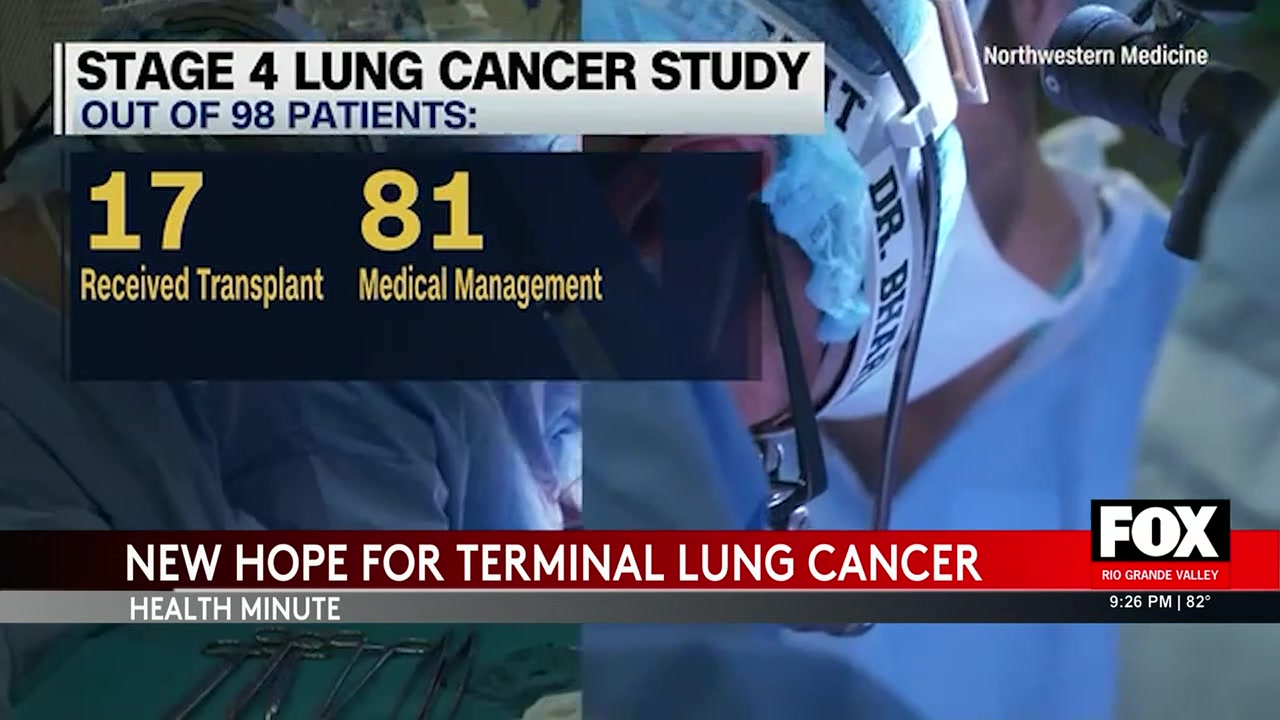
A groundbreaking clinical program is challenging decades of medical dogma by offering double lung transplants to patients with advanced lung cancer, traditionally considered incurable and ineligible for such surgery. Early results from Northwestern Medicine’s Dream Program show that all 17 carefully selected transplant recipients survived at least one year after surgery, compared to just 41 percent of similar patients who received standard medical therapy alone. For the roughly 125,000 Americans expected to die from lung cancer this year, the findings offer a rare glimmer of hope for a small subset of patients with no other options.
The program targets patients with stage 4 lung cancer that has spread within the lungs but not to other organs. Led by thoracic surgeon Dr. Ankit Barrett, the initiative screens candidates through rigorous evaluations of overall health, cancer staging, and psychosocial factors. The study compared outcomes between 17 transplant recipients and 81 patients who continued with chemotherapy, immunotherapy, or other standard treatments. While the transplant group achieved a 100 percent one-year survival rate, the control group’s survival stood at just 41 percent during the same period.
One patient, David Peterson, illustrates the potential impact. Diagnosed with stage 3 lung cancer despite being a lifelong non-smoker, he underwent tumor removal only to see the cancer return and progress to stage 4. After being told no further treatments were available, he entered the Dream Program and received a double lung transplant. Nearly three years later, Peterson is cancer-free and shows no signs of organ rejection. The procedure remains a last resort due to risks including organ rejection, complications from immunosuppression, and potential cancer recurrence. Patients must have disease confined to the lungs without distant spread or significant health problems.
What Happens Next for the Dream Program
Dr. Barrett emphasizes that double lung transplantation is appropriate only for a small group of carefully vetted patients, and the team continues collecting data to refine protocols and potentially expand eligibility. Ongoing studies will focus on long-term survival, optimal patient selection, and minimizing risks while balancing the scarcity of donor organs. The multidisciplinary collaboration between oncologists, thoracic surgeons, transplant specialists, and researchers aims to redefine care for some of the most difficult-to-treat lung cancers. For patients and families facing a stage 4 diagnosis, these findings underscore the importance of exploring clinical trials and innovative strategies, reminding the medical community that even in dire circumstances, survival and improved quality of life may be possible.