A Colorado research initiative that has trained hundreds of early-career scientists and supported more than 500 clinical studies in a single year is showing how investing in the next generation of researchers can accelerate the pace of medical discovery. The Colorado Clinical and Translational Sciences Institute, a network spanning five hospitals and four universities, reported that in 2025 its programs helped turn laboratory findings into real-world patient care across the state.
For nearly two decades, the institute has provided essential resources, expertise and facilities for pioneering research. Ron Sokol, MD, FAASLD, who has directed the network since 2008, said the organization has invested in hundreds of early-career researchers, helping them establish themselves as independent investigators. In 2025 alone, hundreds of members participated in short courses, workshops and training programs, including two new offerings focused on leadership and mentorship in clinical science.
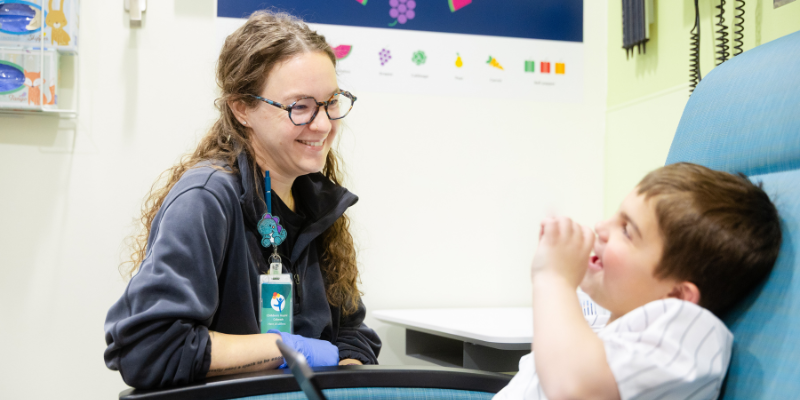
The network’s Clinical Translational Research Centers serve as hubs for patient studies, offering research nursing services, advanced practice providers, cardiovascular bioimaging, nutrition expertise and specialty lab tests. More than 500 studies were conducted across adult and pediatric centers at locations including UCHealth, Children’s Hospital Colorado, National Jewish Health and the University of Colorado Boulder. One key initiative, the Pragmatic Electronic Health Record Embedded Trials program, worked with health system leaders to support studies for patients with prostate cancer, those in critical care settings and individuals at increased risk of falls.
Training the Next Generation of Scientists
The institute’s K12 Scholar and T32 Fellowship Programs continued to support young investigators, while a workshop series called Communicating Your Science to the Public gave researchers tools to share their findings more effectively. The institute also highlighted the return on investment from its pilot grant program, noting that for every dollar invested in pilot grants, more than $19 in follow-on funding was generated.
Janine Higgins, PhD, the institute’s operations director, emphasized that the 2025 achievements resulted from collaboration across teams, schools, hospitals and communities. “We are deeply grateful for the opportunity to lead and support the biomedical researchers who are driving discovery and improving health and patient care,” she said. With continued federal support and a growing pipeline of trained scientists, the network is poised to keep turning research breakthroughs into treatments that reach patients faster.