For over a century, the fight against type 2 diabetes has focused on managing symptoms. Now, a groundbreaking shift is underway. A new class of medication, born from decades of research, is moving beyond simple blood sugar control to address the root cause of the disease. This innovative approach offers the hopeful possibility of not just treating diabetes, but potentially modifying its course and putting it into remission.
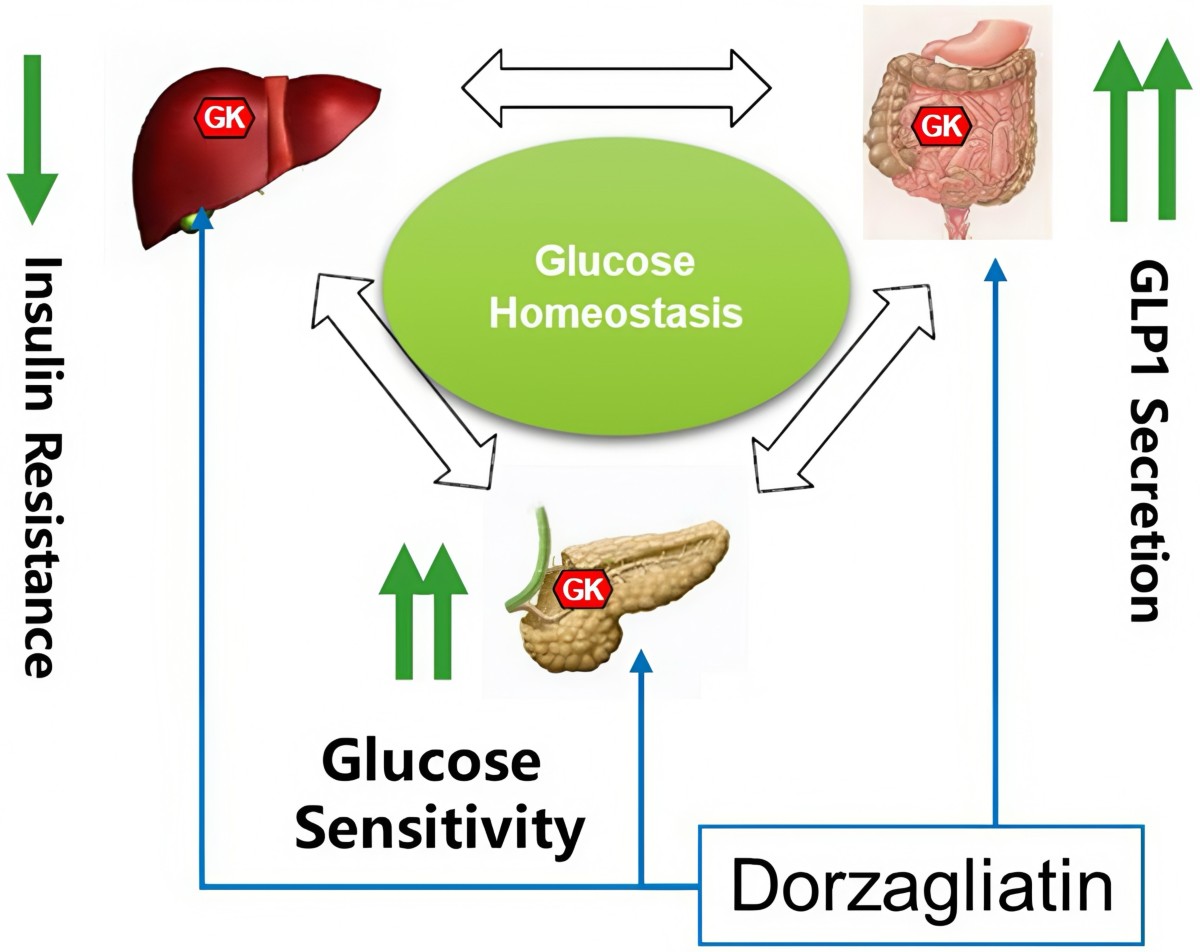
The science centers on a crucial enzyme called glucokinase, which acts as the body's master glucose sensor. In type 2 diabetes, this sensor malfunctions. Researchers have long pursued drugs called glucokinase activators to fix it, but the path has been challenging. Now, a drug named dorzagliatin has successfully navigated clinical trials. As a dual-acting glucokinase activator, it works in both the pancreas and the liver to help restore the body's innate ability to sense and regulate blood sugar levels autonomously.
Approved in China in 2022, dorzagliatin has already reached over 200,000 patients in thousands of hospitals. Its inclusion in China's National Reimbursement Drug List has made it more accessible. The most compelling evidence comes from clinical studies. In a phase 3 trial with newly diagnosed patients, dorzagliatin monotherapy showed significant blood sugar reductions without severe hypoglycemia. Even more promising was a follow-up observation study. It found that 65% of participants who achieved stable control and stopped medication maintained diabetes remission for a full year after treatment ended, suggesting a durable, disease-modifying effect.
Understanding that many patients require combination therapy, researchers are actively studying dorzagliatin alongside other common diabetes medications. Early U.S. trials show promising synergies with other drug classes and no adverse interactions. Large real-world studies in China are also underway, involving a diverse range of patients, including the elderly and those with multiple complications. Interim results confirm the drug's ability to improve blood sugar control and beta cell function even in these complex cases, reinforcing its potential as a foundational therapy.
The arrival of this first-in-class treatment represents a pivotal moment. By aiming to restore the body's natural glucose regulation, it opens a door to a future where the progressive complications of diabetes, from kidney disease to vision loss, could be significantly reduced. This scientific advance, now helping patients in one part of the world, lights a beacon of hope for a fundamentally better approach to metabolic health everywhere.