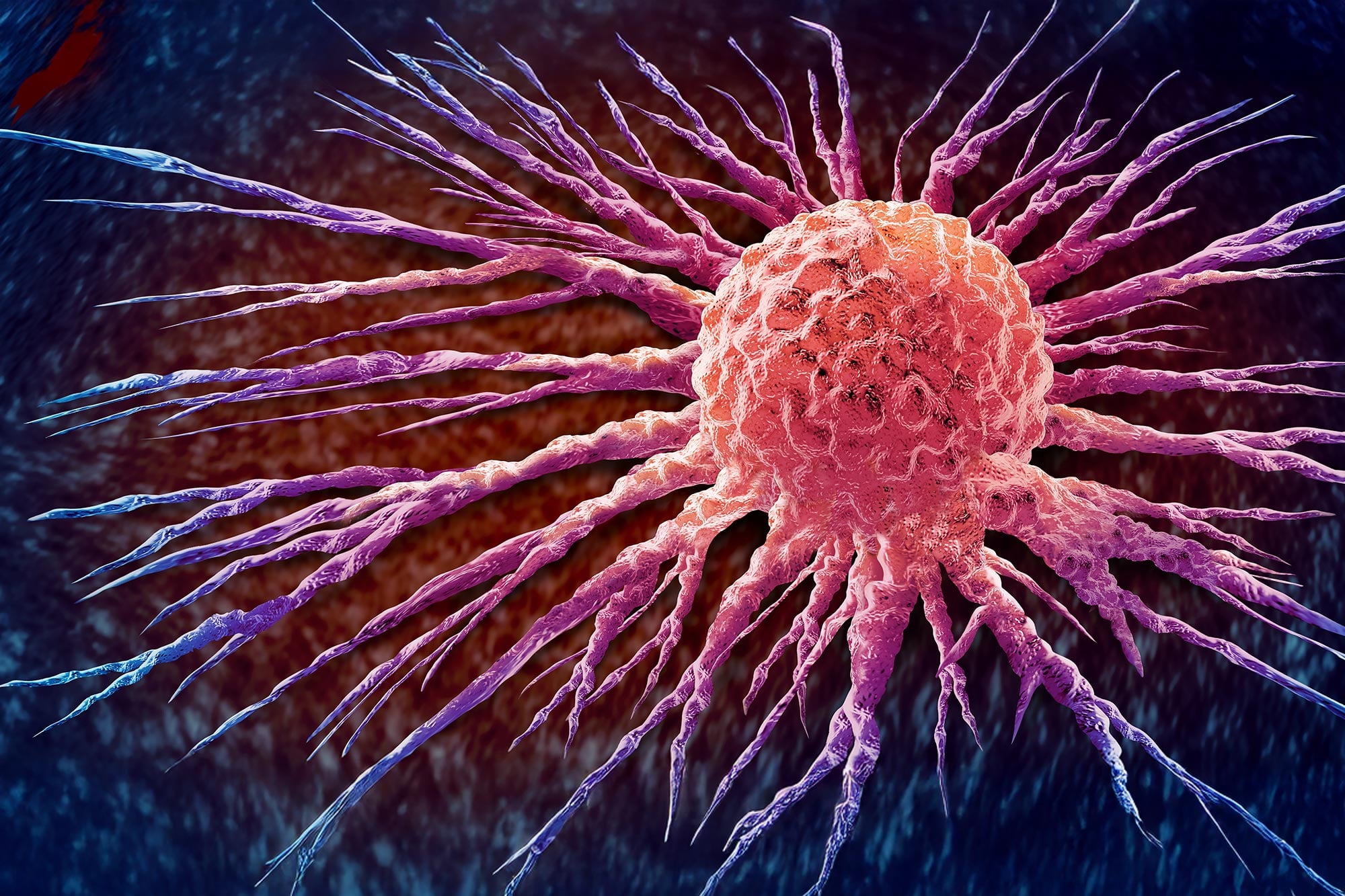
A new cancer therapy inspired by bacteria that live inside tumors has shown promise by cutting off the energy supply to cancer cells, offering a potential new approach for patients whose tumors no longer respond to standard treatments. Researchers at the University of Illinois Chicago developed a lab made peptide called aurB that targets the mitochondria, the structures cells rely on to produce energy. In prostate cancer models, the therapy slowed tumor growth dramatically, especially when combined with radiation.
The approach stems from the discovery that many tumors harbor bacteria as part of their microenvironment. Scientists have known about these microbes for years, but only recently have they begun exploring them as sources of cancer fighting compounds. The research team previously identified a bacterial protein called a cupredoxin that could suppress tumor growth, but that treatment depended on a gene called p53, which is often mutated in cancers. To overcome that limitation, the researchers searched for a bacterial protein that targets mitochondria instead. They found a cupredoxin called auracyanin, which functions through a different pathway.
Using this protein as a model, the team designed aurB. Laboratory experiments showed that aurB enters the mitochondria of tumor cells and binds to ATP synthase, a key enzyme needed to produce ATP, the cell’s main energy source. Without that energy, tumor cells struggle to survive and multiply. The researchers tested aurB in cell lines lacking active p53 and in mouse models of prostate cancer that no longer respond to hormone therapy. When combined with radiation, aurB significantly reduced tumor growth without clear signs of toxicity. “The combination significantly enhanced the activity of the peptide and the tumor became much smaller,” said Tohru Yamada, senior author of the study, published in Signal Transduction and Targeted Therapy.
What This Means for Patients and Next Steps
For patients with advanced prostate cancer that has stopped responding to hormone therapy, this research points to a possible new treatment avenue. The peptide approach targets a fundamental cellular process that cancer cells rely on for rapid growth, making it less dependent on genetic mutations that can limit other therapies. The researchers have secured a patent for aurB and are now exploring how to move the therapy into human clinical trials. Yamada believes auracyanin may be just one of many bacterial proteins that could be adapted into future cancer treatments. “There are many other bacterial proteins that could be source of cancer drugs,” he said. “We simply haven’t tried them yet.” The work opens a hopeful new frontier in turning the tumor’s own microbial inhabitants into allies against the disease.