In the dirt beneath our feet, a common bacterium has been hiding a secret weapon. Scientists have discovered that Streptomyces, the microbes responsible for the earthy smell after rain, produce a class of toxins that kill insects but are harmless to humans. The finding opens the door to new antibiotics, agricultural pest controls and even a deeper understanding of how human diseases like diphtheria evolved.
Researchers identified the toxins, called Streptomyces antiquus insecticidal proteins or SAIPs, by analyzing the genetic makeup of these soil-dwelling bacteria. Using the gene-editing tool CRISPR, the team pinpointed a surface protein called “Flower” that exists only on insect cells. SAIPs need this protein to enter a cell, which is why they affect insects but not people or other animals. The study, published in Nature Microbiology, also revealed that these toxins are ancient, dating back more than 100 million years.
The discovery has multiple potential applications. Because the specialized Streptomyces strains that produce SAIPs also release potent antimicrobial chemicals as they break down insect tissue, researchers believe these strains could be a rich source of new antibiotics. In agriculture, the toxin might be used to protect crops from insect pests or to control disease-carrying mosquitoes. The team notes that bacterial toxins already have medical uses, such as botulinum toxin for cosmetic and therapeutic purposes.
Evolutionary Clues and Future Promise
The study also sheds light on the origins of human disease. The diphtheria toxin, which causes a serious human infection, is structurally similar to SAIPs. Researchers suggest that ancient Streptomyces toxins may have served as a “crucible” from which the diphtheria toxin eventually emerged. However, the vast majority of Streptomyces species live harmlessly alongside insects, and only a few specific lineages produce these insect-killing proteins.
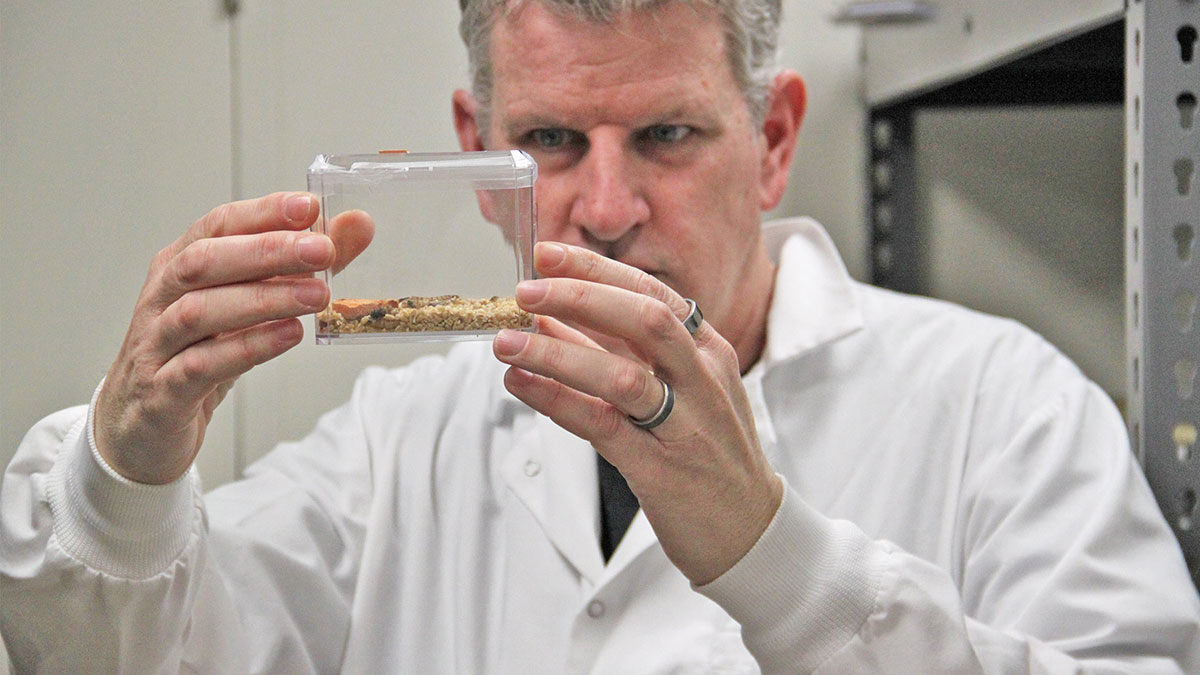
The research team has patented the discovery and is now exploring commercial pathways, particularly in agriculture. Ongoing experiments with crickets and mealworms aim to understand how SAIPs behave in complex biological settings and to isolate the antimicrobials secreted by the toxin-producing strains. For the scientists, the finding is a powerful reminder of how much remains unknown about even the most common organisms on Earth. “This toxin stands as a powerful reminder that bacteria are incredibly diverse organisms, with capabilities that continue to surprise us,” said Cameron Currie, a professor at McMaster University and co-lead of the study.