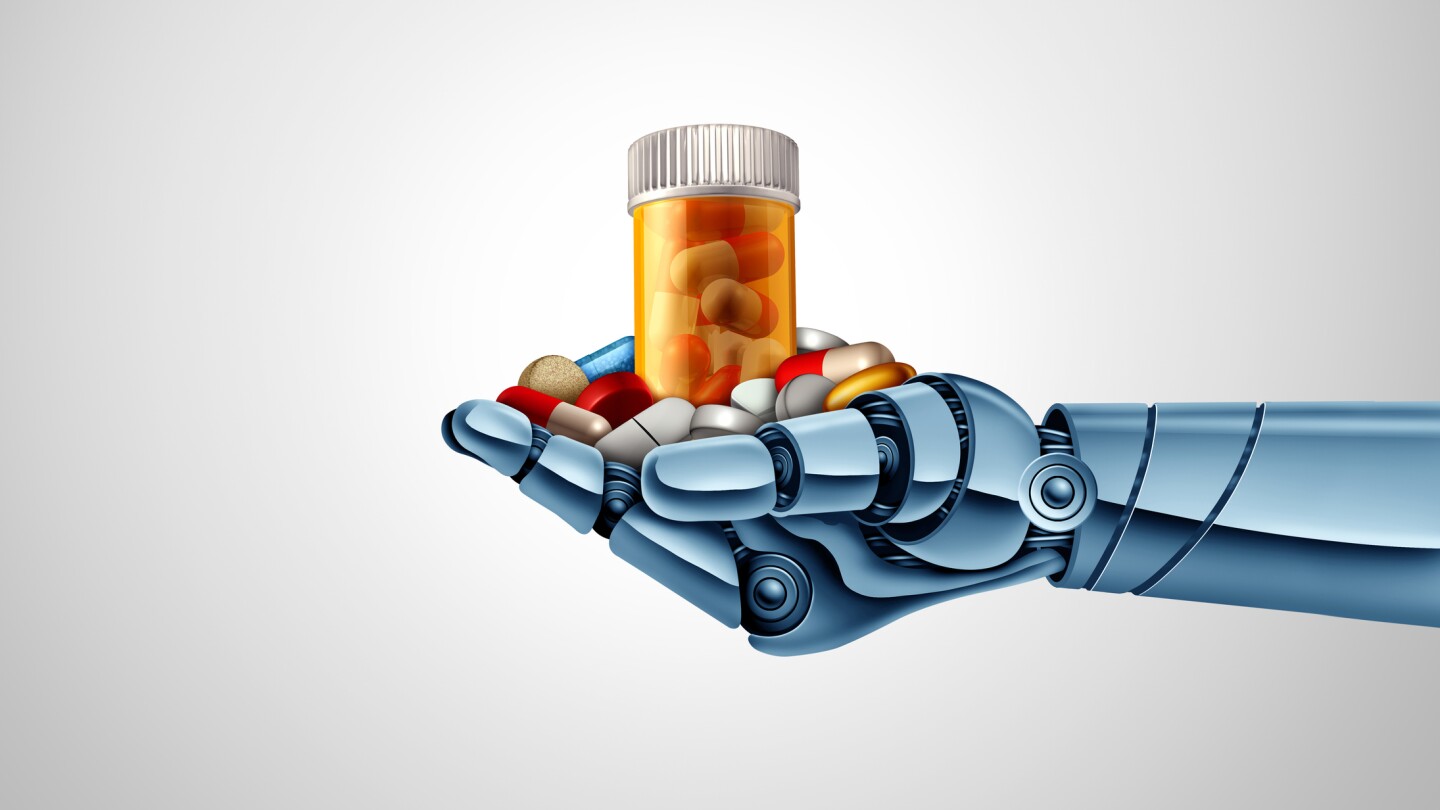
Early clinical trial results are delivering a powerful dose of validation for the biotechnology sector's bold bet on artificial intelligence. New analyses suggest that AI is beginning to fulfill its promise of accelerating drug development and significantly improving success rates, particularly in the crucial early stages of research. This progress is not just a technical victory. It represents a hopeful shift for patients awaiting new therapies and a reinvigorating force for the biotech ecosystem, where faster validation cycles can help recycle capital into pioneering new companies more swiftly. The initial data, while still emerging, paints an encouraging picture of a more efficient and productive future for medicine.
The impact appears most pronounced at the very beginning of the clinical journey. Preliminary figures indicate that biotech firms built fundamentally on AI technology are achieving Phase I success rates notably higher than the historical industry average. This early advantage is critical, as it suggests AI is helping scientists select better drug targets from the start, setting projects on a more promising path. While the total number of completed AI-influenced trials remains modest, the trend offers a tangible glimpse of potential. One cited example saw a company compress years of early-stage work into just over a year, demonstrating the profound time savings this technology can unlock.
Beyond the lab, this technological shift is empowering smaller biotech companies to operate with unprecedented agility. Industry observers note that AI allows these firms to pursue more potential drug candidates without proportionally exploding their costs, a dynamic often described as a "structural de-risking" of the process. This capability enables them to compete more effectively with larger pharmaceutical giants. As one executive noted, the ultimate beneficiaries are patients, who may see new treatments arrive much quicker, while the entire system could see the historically steep costs of drug development begin to fall.
Interestingly, the integration of AI presents a different set of challenges and opportunities across the industry. Larger, established pharmaceutical companies may face hurdles in scaling AI tools across vast organizations, though pioneers like Sanofi show the substantial commitments being made. Meanwhile, the applications of AI are expanding far beyond clinical trials, into areas like drug discovery, operational efficiency, and even the complex process of merging companies. The key to adoption, however, hinges on more than just software. Success requires a blend of risk appetite, dedicated budget, and, most importantly, the human talent with the skills to build, interpret, and trust the technology's insights.
While the full picture will come into focus as more AI-influenced drugs advance through later-stage trials, the current optimism is well-founded. Analysts project that if these early trends hold, the overall probability of a drug's successful journey from concept to market could rise substantially. This would mark a monumental leap forward for an industry where failure has long been the norm. The convergence of biology and artificial intelligence is no longer speculative hype. It is becoming a practical engine for progress, building a faster, smarter, and more hopeful pathway to the medicines of tomorrow.