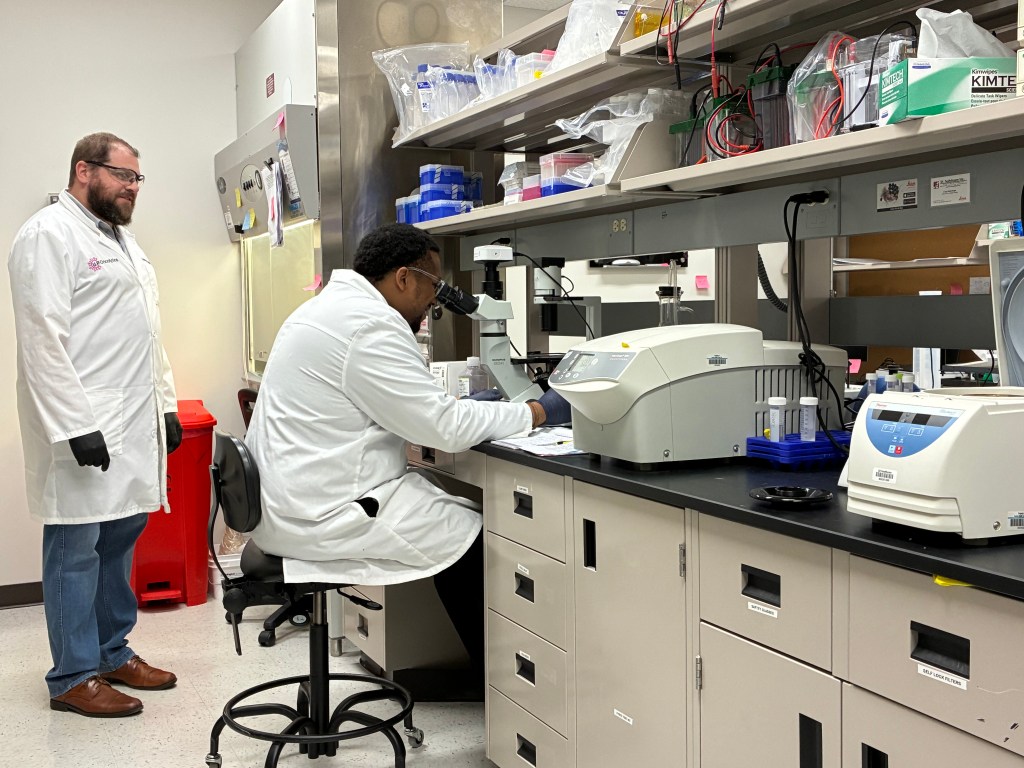
A novel therapy using a modified Zika virus to attack glioblastoma, one of the most lethal forms of brain cancer, is advancing through preclinical research at a North Chicago biomedical incubator. The approach, born from a neurosurgeon's two-decade-old hypothesis, aims to leverage the virus's ability to target neural cells to destroy tumors while sparing healthy brain tissue.
Neurosurgeon Dr. Richard Rovin co-founded the startup UP Oncolytics nearly four years ago to develop the treatment after considering the Zika virus's unique properties. The virus is known to cross the blood-brain barrier and infect neural stem cells, which share similarities with the resilient stem cells that drive glioblastoma growth and recurrence. The concept is to engineer the virus to selectively seek out and kill these cancerous cells. Current survival for glioblastoma patients remains very short, with limited curative treatments available, making the pursuit of new approaches critical.
The research is being conducted within the Helix 51 Incubator at Rosalind Franklin University, which recently doubled its space to support more early-stage biomedical companies. For startups like UP Oncolytics, the incubator provides essential wet lab space and business resources, including access to regulatory consultants and legal professionals, which founders describe as a "lifeline of support." This infrastructure allows scientists to focus on research rather than the prohibitive costs of building independent labs.
Expanding Clinical Trial Capacity in the Region
Separately, the university's Innovation and Research Park has added a significant new resource: the Chicago Clinical Research Institute (CCRI). This facility will conduct later-phase clinical trials for new drugs, addressing a regional gap. While CCRI does not handle initial Phase 1 safety trials, its presence creates a pipeline for products developed at the incubator. Notably, the broader Chicago area has very few sites capable of conducting Phase 1 trials, which require intensive, around-the-clock patient monitoring.
Senior scientist Steve Markwell is currently testing the Zika-based treatment on animal models. The path to potential patients is a lengthy one, however. Should preclinical data satisfy regulators, Phase 1 human trials could take 12 to 18 months, followed by several more years of Phase 2 and 3 testing. Dr. Rovin estimates it may be eight years before the therapy could be widely available. Despite the long timeline, the work represents a hopeful, innovative avenue in the fight against a cancer that has seen minimal therapeutic progress for decades.