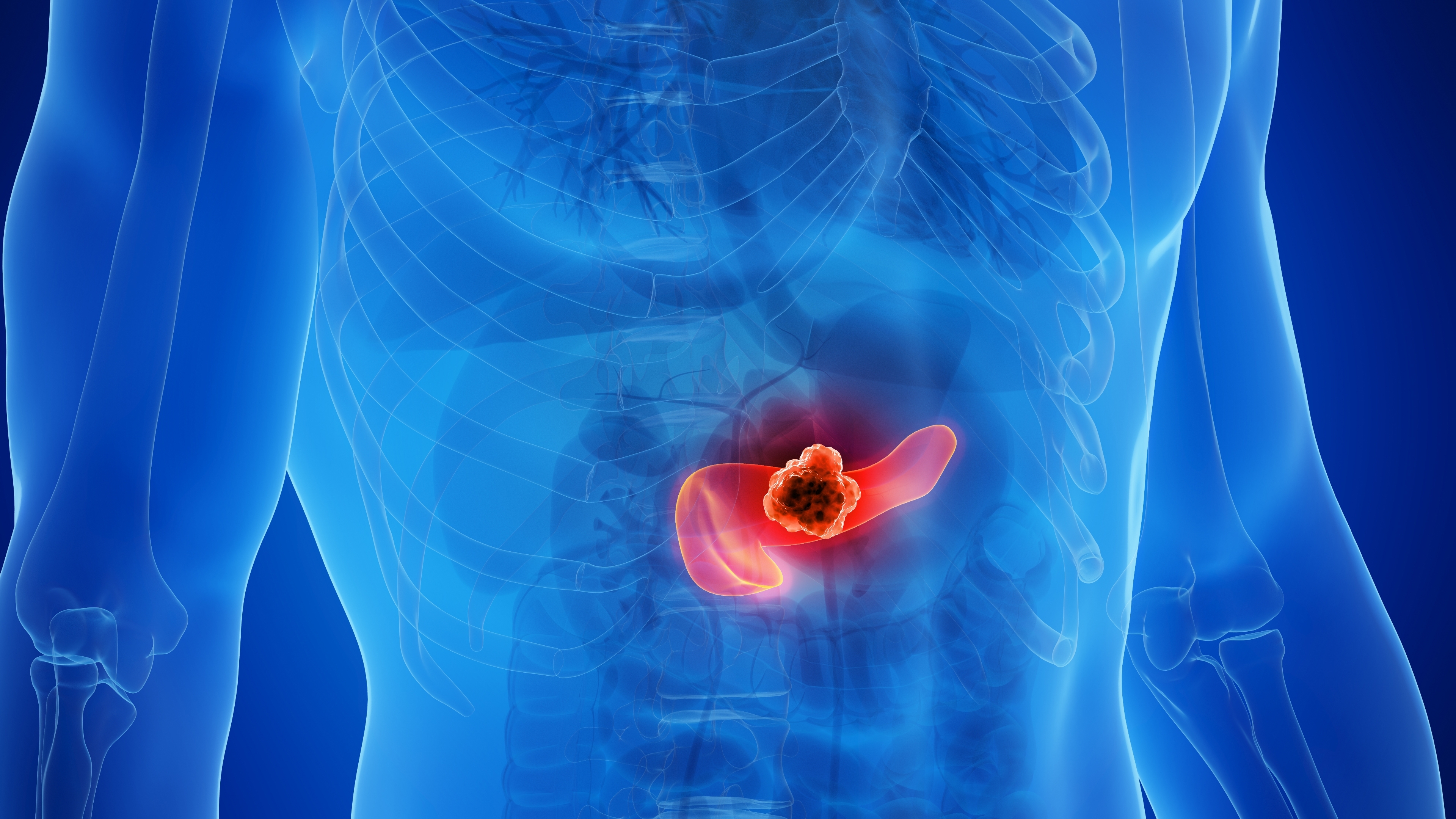
In a significant stride against one of oncology's toughest challenges, a new study reveals a triple-drug combination that drove complete and lasting regression of pancreatic tumors in preclinical models. This innovative approach is designed to outsmart the treatment resistance that has long plagued pancreatic ductal adenocarcinoma (PDAC), offering a beacon of hope for future therapies. The strategy involves simultaneously targeting three critical signaling pathways that fuel tumor growth and survival, a method that proved remarkably effective in laboratory studies.
The research focuses on blocking three key nodes: RAF1, EGFR family receptors, and STAT3 signaling. Scientists explain that this coordinated attack disrupts the cancer's machinery downstream, upstream, and in parallel to the notorious KRAS oncogene, a common driver in pancreatic cancer. By hitting multiple survival routes at once, the therapy aims to leave the tumor with no easy escape. This multi-pronged strategy is crucial because cancer's ability to find alternative pathways is a primary reason single-target drugs often fail.
The results in mouse models designed to closely mimic human pancreatic cancer were striking. The combination therapy not only shrank tumors but led to their complete regression. Perhaps even more promising, the treatment entirely stopped tumor growth with no signs of resistance emerging for over 200 days after treatment ended. The researchers validated these powerful effects across multiple model types, including genetically engineered mouse tumors and human cancer tissues grown in lab mice. This consistency strengthens the potential relevance of the findings for human patients.
A central and hopeful aspect of this work is its apparent ability to prevent therapeutic relapse. Resistance is a formidable barrier that renders many promising treatments ineffective over time. Commentary from the scientists involved notes that overcoming resistance in PDAC requires this exact kind of coordinated inhibition. By blocking several critical survival signals concurrently, the cancer cells are left with fewer options to adapt and survive, potentially leading to more durable remissions.
Encouragingly, this potent anti-tumor effect was achieved with a therapy that was well tolerated in the animal models. A favorable safety profile in these preclinical stages is a positive indicator as researchers look toward translating this work to human studies. The authors state that these results should guide the development of new clinical trials that may benefit PDAC patients. While more research is necessary before human trials can begin, this marks a pivotal advancement, demonstrating a clear path for the clinical development of multi-targeted strategies against pancreatic cancer.