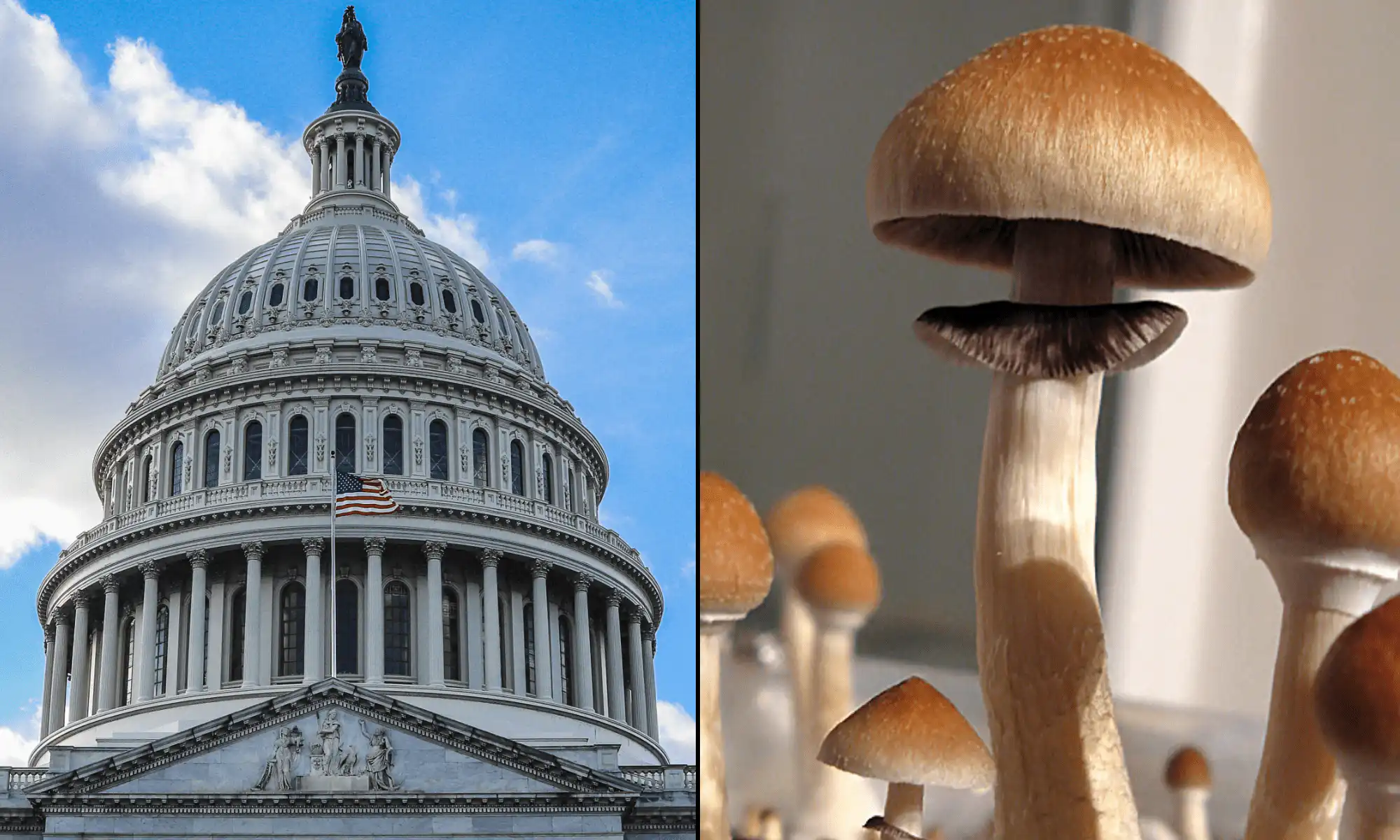
A new Senate bill seeks to direct the Department of Veterans Affairs to prepare for the potential approval of psychedelic-assisted therapies, focusing on treatments for veterans with serious mental health conditions. The proposed legislation would create a dedicated office to streamline research and develop a framework for delivering these emerging treatments within the VA system.
The Veterans Health Administration Novel Therapeutics Preparedness Act would establish an Office of Novel Therapeutics to facilitate studies into psychedelics and other innovative therapies. The office would coordinate research on substances like psilocybin, ibogaine and MDMA, which are under review by the Food and Drug Administration for conditions including post-traumatic stress disorder, treatment-resistant depression, and traumatic brain injury. The bill's findings state that such therapies may "significantly alter the treatment landscape" for veterans but require unique clinical support structures that the VA is positioned to provide.
Under the measure, the VA would be required to coordinate with federal agencies including the FDA, the Drug Enforcement Administration, and the Department of Defense on regulatory issues and potential rescheduling of these substances. The bill also mandates the creation of a Veteran Advisory Committee and calls for at least one "Center of Excellence" in each VA regional district to help develop a national model for the initiative. The VA would need to furnish annual progress reports to Congress, with an initial report due within 180 days on staffing needs and regulatory barriers.
This Senate effort aligns with broader bipartisan momentum on Capitol Hill to explore alternative treatments for veterans. A separate House bill, the Innovative Therapies Centers of Excellence Act, proposes $30 million in annual funding for VA psychedelic therapy centers. Key veterans service organizations, including the Wounded Warrior Project and Veterans of Foreign Wars, have voiced support for such legislative reforms, highlighting the urgent need for new therapeutic options.
With administrative support from key officials and ongoing legislative efforts, the push to integrate psychedelic research into veteran healthcare is gaining structured, institutional focus. The proposed office represents a significant step toward preparing the nation's largest integrated health system to responsibly evaluate and potentially deliver these novel treatments, pending federal regulatory approvals.