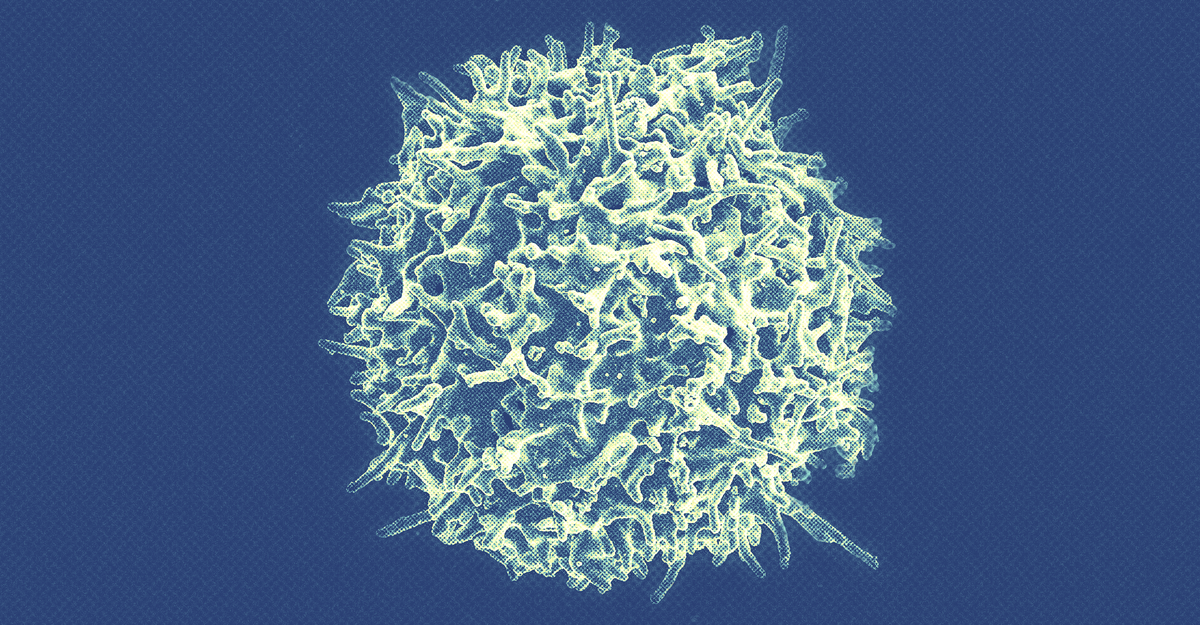
A groundbreaking treatment originally developed for cancer is now enabling profound, drug-free remissions in patients with severe autoimmune diseases, offering a potential one-time cure where standard therapies have failed. The latest evidence comes from a complex case in Germany, where a woman with three concurrent life-threatening autoimmune conditions has returned to a normal life after a single infusion of CAR-T cell therapy.
The treatment involves extracting a patient's own T cells and genetically re-engineering them to become targeted assassins. These modified chimeric antigen receptor T cells are then infused back into the body, where they are designed to seek and destroy specific problematic immune cells. For many autoimmune diseases, the target is the body's own B cells, which are responsible for mistakenly attacking healthy tissue. By wiping out these misbehaving cells, the therapy allows the immune system to, in theory, reboot and repopulate itself with properly behaved cells.
Early results have been striking. Small studies and clinical trials have shown that most of the dozens of lupus patients treated have gone into sustained remission. The therapy has also shown promise against myositis, systemic sclerosis, and other severe conditions. For patients, this represents a dramatic shift from a lifetime of managing symptoms with immunosuppressive drugs, which can have significant side effects and often lose effectiveness. Notably, the severe inflammatory reactions sometimes seen when CAR-T is used for cancer appear less common in autoimmune applications.
The German patient's case underscores this potential. Confined to a hospital and dependent on multiple daily blood transfusions, she had exhausted nine treatment options. After receiving CAR-T therapy early last year, her B cells disappeared and her bloodwork normalized. While she manages some lingering fatigue, she has not required a hospital stay, drugs, or transfusions in many months and is now actively engaging with her family. Her body has generated new B cells that, so far, are not attacking her blood.
Researchers caution that CAR-T for autoimmune disease is still very new, with unanswered questions about the long-term durability of remission and potential side effects. Access is also a major hurdle, with treatment costs reaching hundreds of thousands of dollars and availability largely restricted to clinical trials outside compassionate-use cases. Scientists are now working to refine the technology, make it more efficient, and understand which patients and diseases will benefit most. For those with few options left, however, this experimental approach represents a transformative and hopeful new frontier.