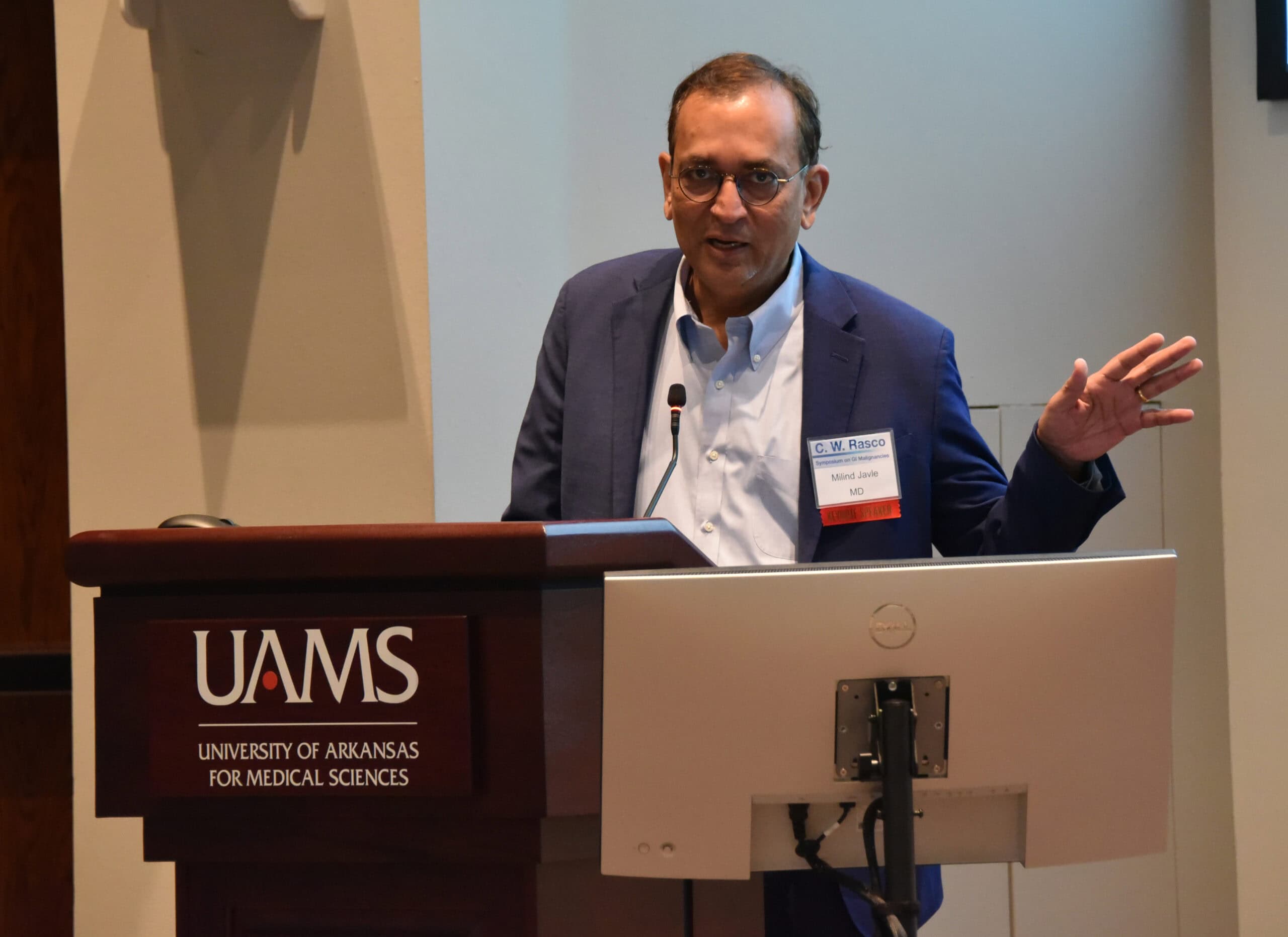
Leading cancer experts have outlined a dual reality in gastrointestinal oncology, marked by promising new treatments and a concerning rise in early-onset colon cancer. The insights were shared at a recent major symposium focused on cancers of the digestive system.
The gathering highlighted significant clinical progress, particularly in refining surgical approaches and integrating novel therapies. Surgeons detailed a shift toward organ preservation in rectal cancer, moving away from radical procedures. For complex liver metastases, advances in surgical and interventional radiology techniques are offering patients more options. Furthermore, the role of immunotherapy in difficult-to-treat cancers like cholangiocarcinoma was a key topic of discussion, offering hope for improved outcomes.
This progress is set against a worrying trend: a sharp increase in colon cancer diagnoses among younger adults. This demographic shift is prompting calls for heightened awareness and earlier screening. Experts also noted a predicted rise in cholangiocarcinoma cases, potentially linked to metabolic dysfunction associated with steatotic liver disease (MASLD), underscoring the evolving landscape of cancer risk factors.
The symposium consistently emphasized that managing these complex cancers requires a team-based strategy. A concluding panel featuring specialists from medical oncology, surgical oncology, radiology, and pathology demonstrated how collaborative decision-making directly influences patient care plans. This multidisciplinary model is now considered standard for achieving the best possible results.
Looking forward, the field is navigating a path defined by both innovation and emerging challenges. Researchers are working to understand the drivers behind early-onset cancer while clinical teams integrate advanced surgical, endoscopic, and systemic treatments like immunotherapy into personalized care. The ongoing translation of research into practice points toward a future with more effective and tailored interventions for gastrointestinal cancers.