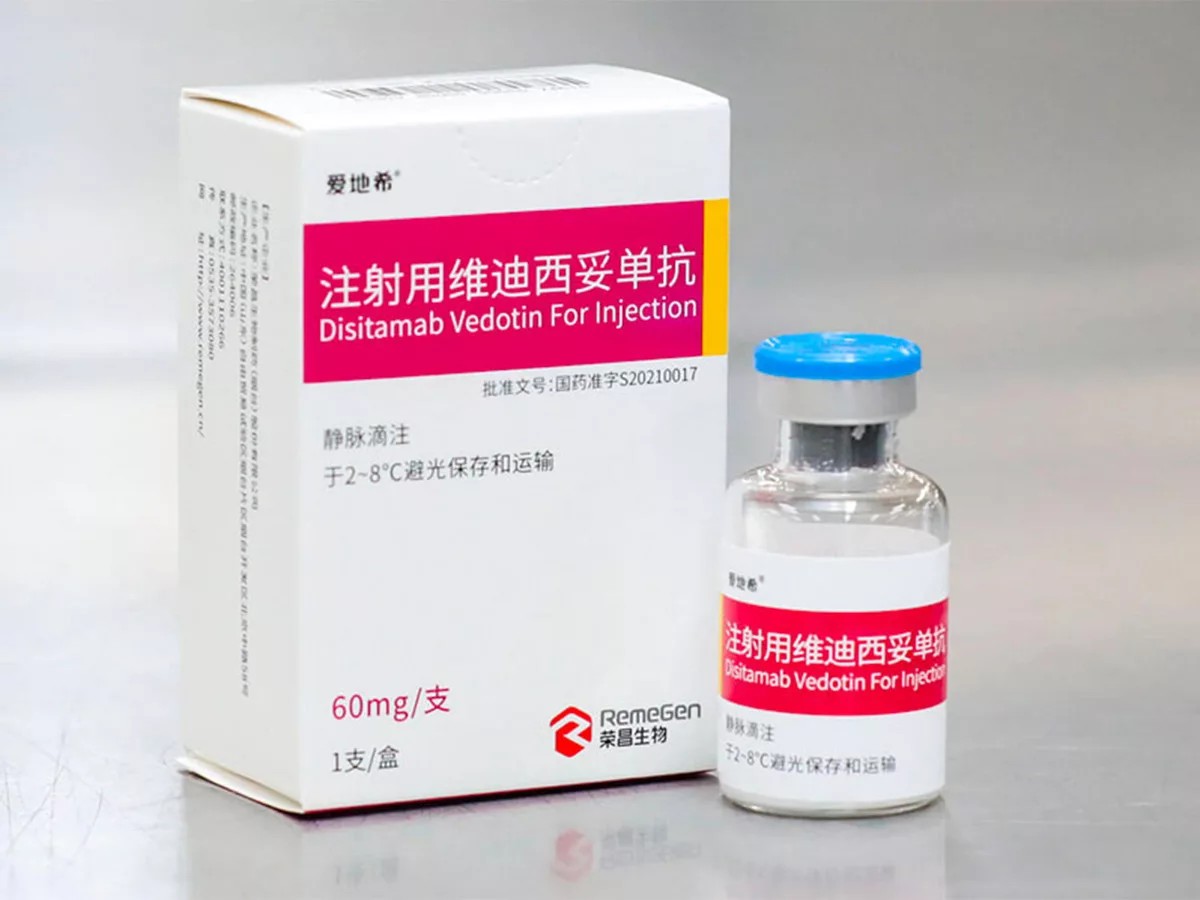
A new treatment option has arrived for patients in China with a difficult-to-treat form of advanced stomach cancer. Chinese health authorities have granted approval for disitamab vedotin, a targeted antibody-drug conjugate, for patients with HER2-positive gastric or gastroesophageal junction cancer who have undergone prior systemic therapy.
The approval is based on robust clinical trial data demonstrating the drug's efficacy. In a pivotal study, disitamab vedotin showed a significant improvement in slowing disease progression compared to standard chemotherapy. The therapy specifically targets cancer cells that express the HER2 protein, a known driver of aggressive tumor growth in a subset of gastric cancers. Once the antibody component binds to the HER2 protein on the cell surface, the conjugate is internalized and releases its potent cytotoxic payload directly into the cancer cell, aiming to minimize damage to healthy tissues.
For patients, this represents a crucial new line of defense. Advanced gastric cancer has a poor prognosis, and treatment options, especially after initial therapies fail, are severely limited. The approval of this targeted therapy provides a new mechanism of action for oncologists to utilize. Its targeted approach offers the potential for a more favorable safety profile compared to traditional chemotherapy, which indiscriminately attacks fast-dividing cells throughout the body.
Looking ahead, the developer is continuing to investigate disitamab vedotin in broader clinical settings, including its potential use in earlier lines of treatment and in combination with other anti-cancer agents. This approval marks a significant step forward in the personalized treatment landscape for gastric cancer in China, offering renewed hope for patients with this challenging HER2-positive malignancy.