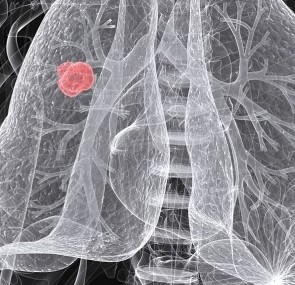
Researchers have developed a novel treatment that can attack lung cancer tumors and reverse a devastating muscle-wasting condition in a single dose, offering new hope for patients facing this dual burden. The approach uses specially engineered nanoparticles to deliver genetic instructions directly to tumors, where they trigger a dual-action protein production.
In a preclinical study, scientists used lipid nanoparticles (LNPs) to carry messenger RNA for the protein follistatin. When administered intravenously, these LNPs bind to a blood protein called vitronectin, which acts as a guide, directing them to lung cancer tumors. The nanoparticles specifically target tumors because they interact with integrin receptors, which are overexpressed on the cancer cell surface. Once inside the tumor, the follistatin mRNA is used by the cells to produce the follistatin protein, which naturally inhibits tumor growth and promotes muscle tissue building.
This method directly addresses two critical challenges. Lung cancer is the leading cause of cancer death in the United States, with an estimated 230,000 new cases this year. A major complication for patients is cancer cachexia, a muscle-wasting syndrome that affects up to 80% of those with advanced cancer and is responsible for up to 30% of cancer deaths. "By loading our LNPs with follistatin mRNA, we developed a therapy that simultaneously targets lung cancer and cancer cachexia, all without adverse effects," said the study's lead researcher.
The results in mouse models were promising. Compared to conventional nanoparticles that mostly accumulate in the liver, this targeted system achieved an approximately 2.5-fold greater reduction in tumor burden. Importantly, it also countered the severe muscle loss associated with the disease, creating a two-pronged therapeutic effect from a single agent.
The research team emphasizes that more preclinical work is necessary, but they are hopeful that human trials will follow. If successful, this technology could provide a powerful new weapon against lung cancer and its debilitating complications, significantly improving both survival and quality of life for patients.