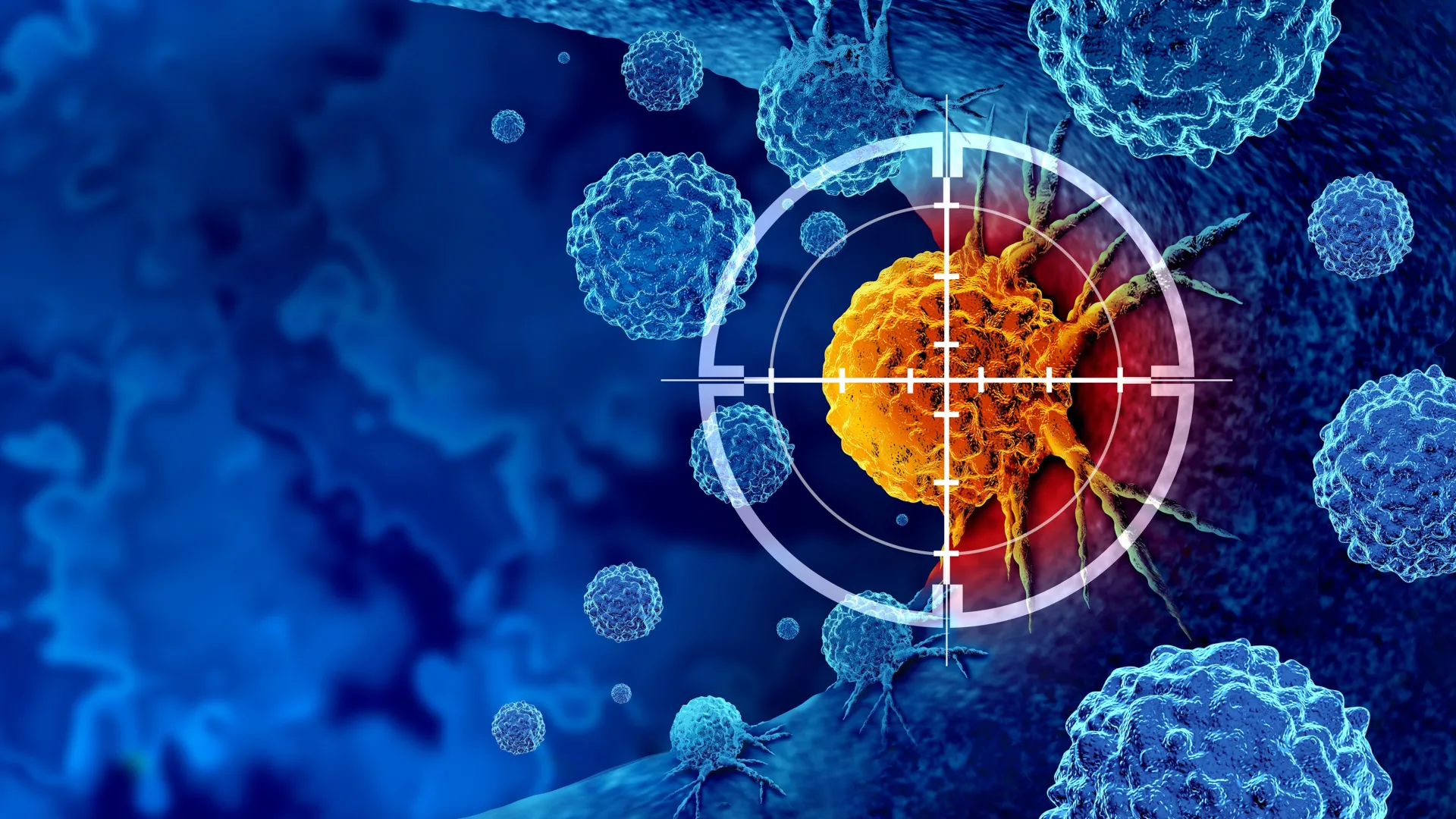
A novel cancer therapy that precisely blocks a common cancer-driving gene from triggering tumor growth, while sparing healthy cells, has entered its first human clinical trials. The approach targets mutated forms of the RAS gene, which are implicated in roughly one in five cancers, offering hope for a more selective and tolerable treatment.
The research focused on disrupting a specific interaction inside cancer cells. When the RAS gene is mutated, it becomes stuck in an "on" position, constantly sending growth signals. One of its key partners in this process is an enzyme called PI3K. While blocking PI3K entirely can stop cancer, it also disrupts vital normal functions, such as insulin signaling for blood sugar control, leading to severe side effects like hyperglycemia. The newly identified chemical compounds solve this by permanently binding to PI3K at the exact spot where RAS connects, preventing this dangerous partnership without inhibiting PI3K's other essential roles.
In mouse studies, the treatment successfully stopped the growth of RAS-mutated lung tumors without causing elevated blood sugar. Furthermore, scientists found the therapy's potential extends beyond RAS. In mice with tumors driven by the HER2 gene, often associated with breast cancer, the compound also halted growth by interfering with the same PI3K pathway. This suggests a broader application against cancers that rely on this signaling hub. The treatment showed even stronger, longer-lasting suppression when combined with other drugs targeting the same cellular pathway.
The first-in-human trial will now assess the safety and side effects of the drug in patients with cancers harboring RAS or HER2 mutations. Researchers will also evaluate its effectiveness when used in combination with other targeted therapies. This marks a significant step toward a more precise strategy in oncology, aiming to turn off cancer's engine while leaving the body's essential systems running smoothly.