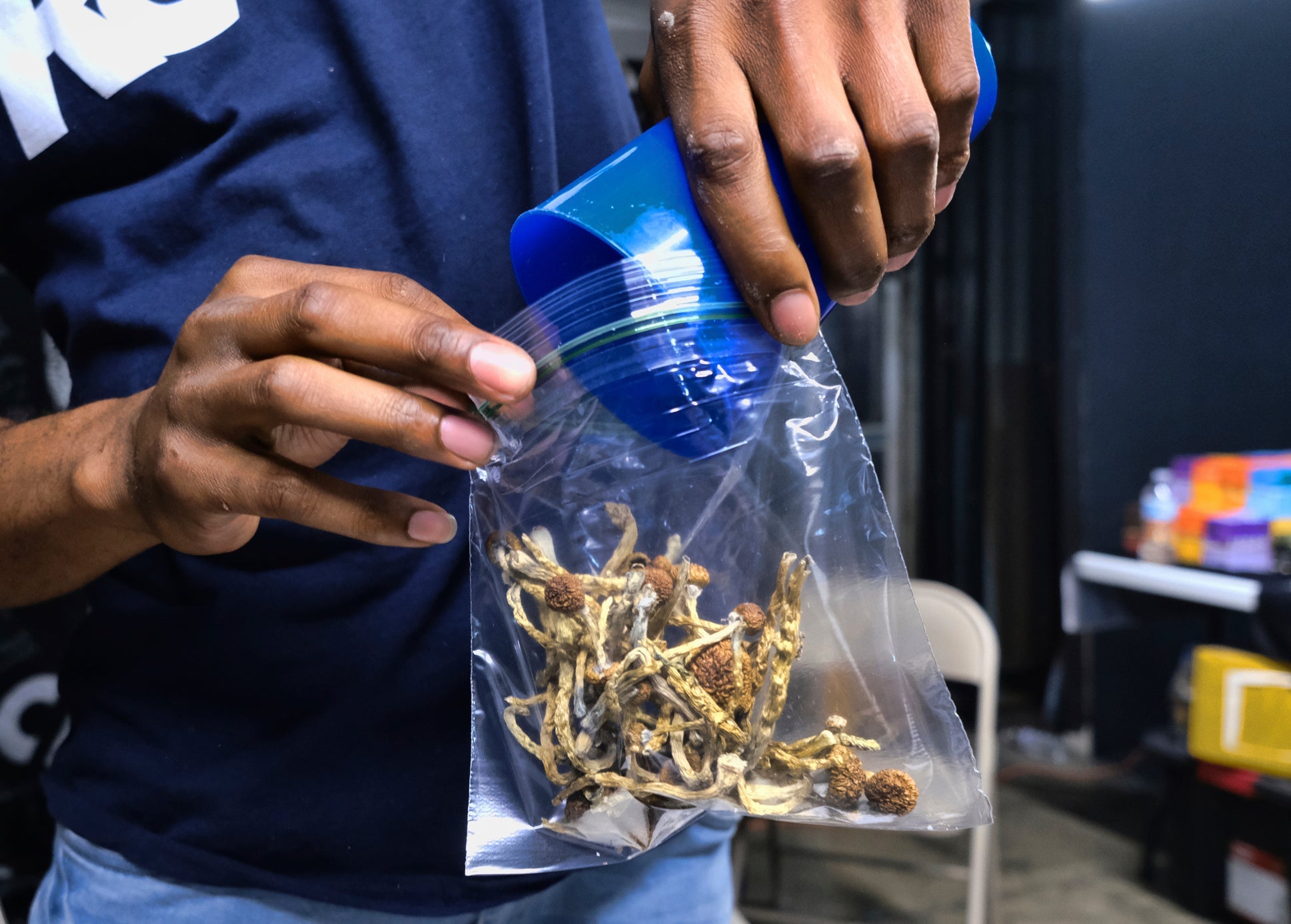
A Wisconsin research lab has received a federal voucher to speed up the approval process for psilocybin as a treatment for major depression, marking a significant step toward bringing psychedelic therapies to market. The Usona Institute, a Madison based nonprofit, is one of only three organizations nationwide selected to receive the priority review voucher from the U.S. Department of Health and Human Services after an April executive order aimed at fast tracking psychedelic research.
The voucher reduces the Food and Drug Administration’s standard review timeline from six to ten months down to just one or two months. This could mean that drugs from Usona and other recipients might receive approval by the end of this year, according to Paul Hutson, who directs the University of Wisconsin-Madison Transdisciplinary Center for Research in Psychoactive Substances. Psilocybin, the psychoactive compound in magic mushrooms, has shown promise in treating major depression, anxiety, substance use disorders and post traumatic stress disorder in multiple clinical trials conducted by Wisconsin researchers.
“I can’t think of anything that has been so stigmatized and yet seems to be so impactful,” Hutson said. He compared the potential breakthrough to life saving vaccines, noting that the federal endorsement represents a major validation for a field long hindered by legal and cultural barriers. However, Hutson cautioned that approval does not mean immediate access for patients. The drugs remain classified as Schedule I, meaning the federal government considers them to have no accepted medical use, which creates hurdles for distribution and insurance coverage.
Unanswered Questions About Access and Delivery
Even if the FDA approves psilocybin therapies soon, significant logistical challenges remain. Hutson noted that researchers still do not know which pharmacies will be permitted to carry the drugs, how doctors will determine eligible patients, or how insurance will cover the treatments. The therapy itself is resource intensive, requiring multiple professionals to monitor a patient for six to eight hours during a session, followed by counseling and follow up check ins. This raises questions about whether the mental health workforce has the capacity to deliver such treatments at scale.
Health and Human Services Secretary Robert F. Kennedy Jr. praised the executive order, emphasizing potential benefits for military veterans struggling with mental health conditions. The Usona Institute, which has partnered with UW-Madison on clinical trials, expressed gratitude for the recognition. Two other organizations also received vouchers: Compass Pathways for psilocybin for treatment resistant depression and Transcend Therapeutics for methylone as a PTSD treatment. The executive order also permits research into ibogaine, a hallucinogen derived from a Central African plant, for alcohol use disorder.
Hutson described the federal action as “an endorsement of this as an exciting new field in mental health care.” While many questions remain about how these therapies will reach patients, the accelerated review process signals a hopeful shift toward new options for those who have not responded to existing treatments.