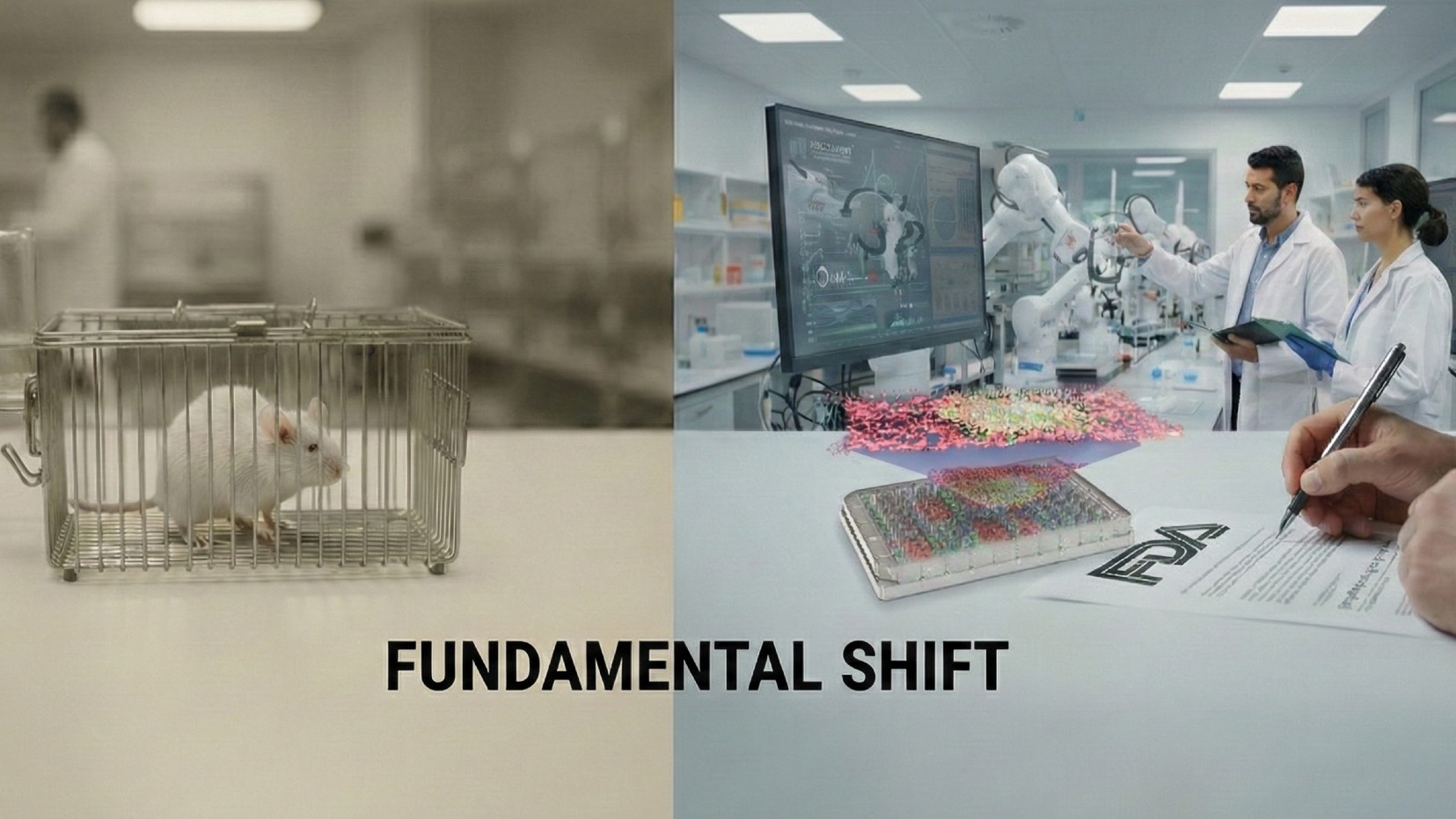
The U.S. Food and Drug Administration has greenlit a novel cancer therapy for initial human testing based solely on efficacy data from advanced human organoid models, marking a historic regulatory shift away from animal testing in preclinical drug development.
This milestone approval of the Investigational New Drug (IND) application relied entirely on data from Qureator’s human vascularized organoid model. This technology creates three-dimensional, lab-grown micro-tumors that accurately replicate human vascular structures and immune environments, providing a more human-relevant platform for testing drug effectiveness. The move is significant because traditional drug development has long depended on animal data, an approach with a high failure rate. Approximately 95 percent of cancer drugs deemed safe and effective in animal tests ultimately fail when they reach human clinical trials, often due to species-specific biological differences.
The organoid model used in this case is enhanced by an artificial intelligence platform called Quricore, which integrates human data to improve clinical predictability. Proponents argue that such human-based methods can overcome the poor predictive value of animal studies and potentially improve drug attrition rates. By demonstrating that nonanimal data can satisfy regulatory requirements for an IND, this decision sets a new precedent that could accelerate the adoption of human biology-based testing methods across the pharmaceutical industry.
Looking ahead, the oncology drug will proceed to Phase I clinical trials to evaluate its safety and preliminary efficacy in human patients. This regulatory landmark offers a hopeful outlook for a more efficient and human-relevant pathway to new cancer therapies, potentially bringing effective treatments to patients faster while reducing reliance on animal testing.