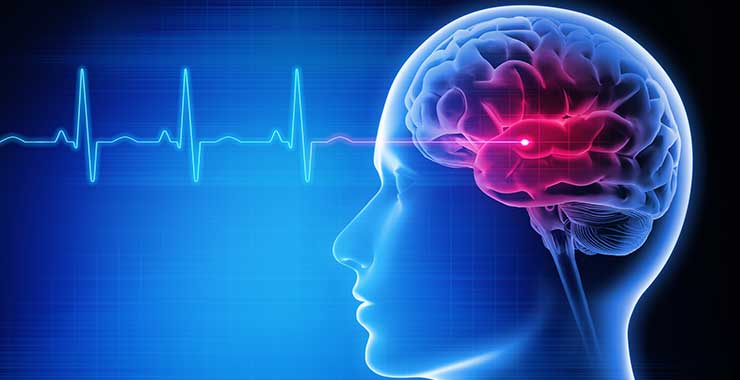
The U.S. Food and Drug Administration has approved two new nonmedication treatments for posttraumatic stress disorder, offering fresh hope to the millions of Americans who do not find relief through talk therapy or medication alone. One is an at-home wearable headset, and the other is a personalized in-office brain stimulation system. Together, they mark a significant step forward in expanding options for a condition that affects roughly 13 million Americans.
PTSD affects about 5% of U.S. adults in any given year. While established therapies such as cognitive behavioral therapy and prolonged exposure are effective for many, a substantial number of patients either do not complete treatment or continue to struggle with symptoms. The newly approved devices aim to close that gap by targeting the brain directly through gentle stimulation, without the need for drugs.
The first approval goes to Modius Spero, a headset developed by Neurovalens that patients can use at home for 30 minutes a day. A qualified health care professional must order the device, which is intended for adults aged 22 and older. The headset delivers noninvasive brain stimulation designed to reduce PTSD symptoms over time. In a clinical trial, two-thirds of adults who used the device reported a clinically meaningful improvement in their symptoms. The U.S. Department of Veterans Affairs plans to make the headset available to veterans later this summer as part of a clinician-directed care plan.
The second approval is for the MeRT system from Wave Neuroscience. This in-office treatment uses machine learning to analyze a patient’s electroencephalogram, or EEG, data, which measures electrical activity in the brain. That information is then used to personalize transcranial magnetic stimulation for each individual, making the therapy more targeted than standard approaches. In a clinical trial, participants who received MeRT treatment showed statistically significant improvement in PTSD symptoms compared with a control group.
Both devices reflect a broader push among researchers to refine brain stimulation techniques for mental health conditions. Rather than offering a one-size-fits-all approach, the new tools emphasize personalization, whether through daily home use or data-driven in-office sessions. For patients who have tried multiple treatments without success, these approvals represent a meaningful expansion of what is available.
Looking ahead, the focus will be on real-world adoption and long-term outcomes. As the devices become more widely available, clinicians will be able to integrate them into existing care plans, and researchers will continue to study how they perform across diverse patient populations. With two new FDA-backed options now on the table, the future of PTSD care looks more flexible, more personalized, and more hopeful than ever before.