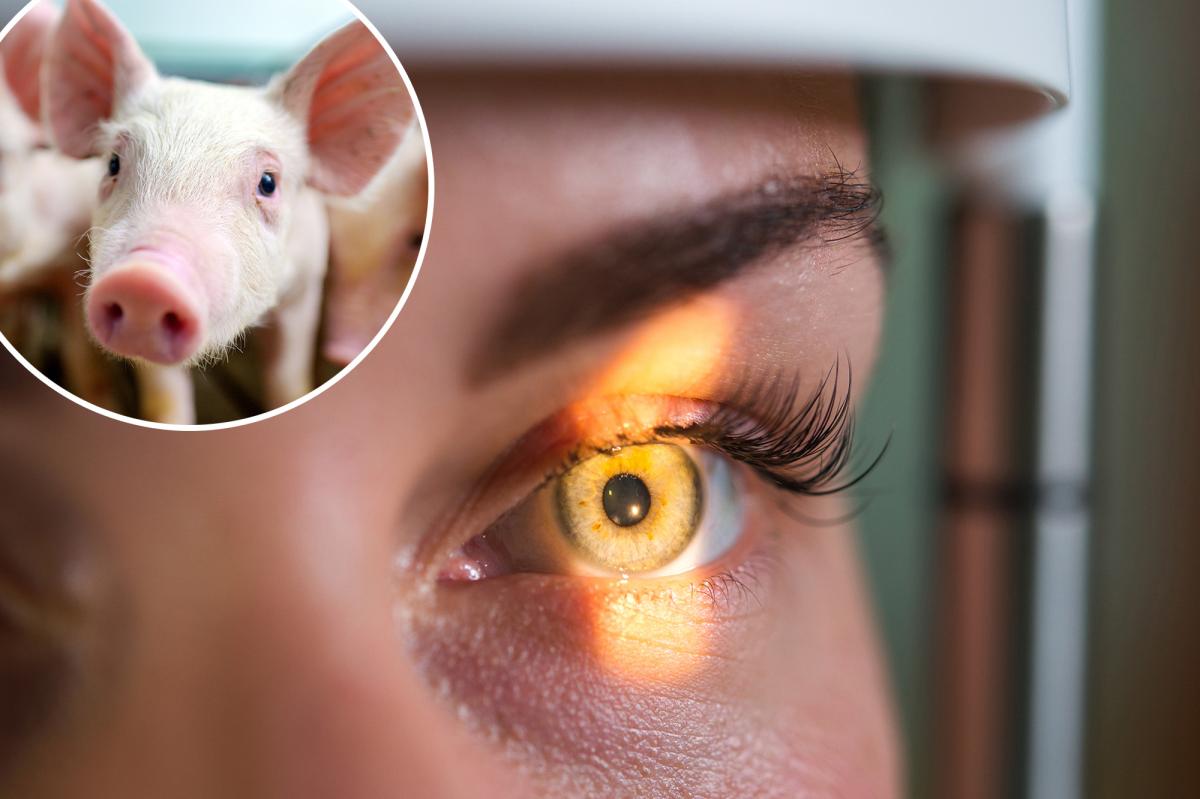
A novel eye drop treatment, developed using components derived from pig semen, has shown remarkable success in shrinking tumors in a mouse model of retinoblastoma, a rare and aggressive childhood eye cancer. This approach could one day offer a needle-free, less invasive alternative to current painful therapies that often damage vision.
The research, published in Science Advances, centers on using natural vesicles called exosomes found in pig semen as drug carriers. These semen-derived exosomes (SEVs) have a unique ability to cross biological barriers. When formulated into eye drops alongside a targeting agent (folic acid) and a therapeutic CMG nanozyme system, they create a multi-pronged attack on the tumor. The folic acid guides the treatment to cancer cells, the CMG system triggers those cells to self-destruct, and the SEVs temporarily open the eye's protective layers to deliver the payload.
In the study, the drops entered the eye through both the cornea and the conjunctiva, enabling a broad attack on the disease. After 30 days of treatment, mice with retinoblastoma saw their tumor mass reduced to just 2% of its original size. In stark contrast, untreated mice experienced severe vision loss and abnormal blood vessel growth. This method spares healthy tissue, potentially avoiding the vision loss and systemic toxicity associated with traditional chemotherapy injections and radiotherapy.
The implications extend beyond retinoblastoma. Researchers suggest the platform could be adapted for other ocular diseases where drug delivery is a challenge, such as age-related macular degeneration and diabetic retinopathy. The study represents a significant conceptual shift towards non-invasive, topical treatments for serious eye conditions.
While the results are promising, the path to the clinic is long. The research team emphasizes that further development and rigorous safety testing are required before human trials can begin. If successful, this bio-inspired delivery system could transform the treatment landscape for children with eye cancer, replacing painful injections with a gentler, eye-drop-based therapy.