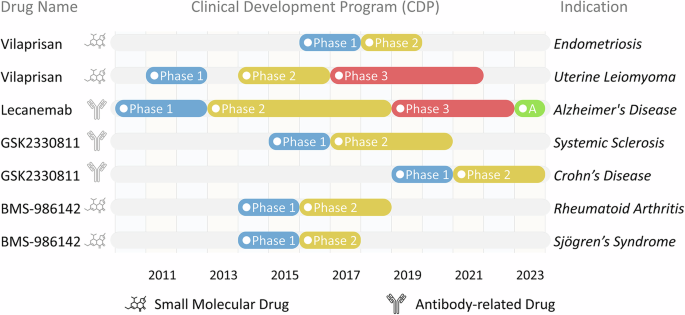
A new analysis tracking over 20,000 clinical development programs reveals a pivotal shift: the long decline in drug trial success rates has plateaued and is now beginning to rise. This finding, derived from a novel dynamic calculation method, offers a nuanced and timely view of pharmaceutical development fortunes in the 21st century.
The study, which analyzed programs from 2001 to 2023, found that the clinical trial success rate (ClinSR) fell steadily in the early 2000s before stabilizing. Most encouragingly, the data indicates a recent upward trend. However, the overall picture is complex, with significant variation when drugs are broken down by category. The research also uncovered surprising specifics, such as an extremely low success rate for anti-COVID-19 drug candidates and the finding that repurposed drugs have recently had a lower ClinSR than novel drugs.
To address inconsistencies in past reports, researchers established a standardized method using public databases like ClinicalTrials.gov and Drugs@FDA. They then developed a dynamic strategy that allows for continuous, annual evaluation of success rates, moving beyond static, outdated snapshots. This enables clearer insight into how factors like investment and new technologies impact development. The team has made this tool publicly accessible through an online platform, ClinSR.org, which automatically updates and allows users to examine success rates for specific drug groups.
Looking forward, the ability to accurately and continuously assess these trends is a powerful tool for the entire medical ecosystem. It can guide pharmaceutical companies in pipeline decisions, help investors allocate resources, and aid regulators in evaluating policy effectiveness. The recent tentative increase in success rates, coupled with this new capacity for real-time analysis, provides a data-driven foundation for more efficient drug development and a hopeful outlook for delivering new therapies to patients.